


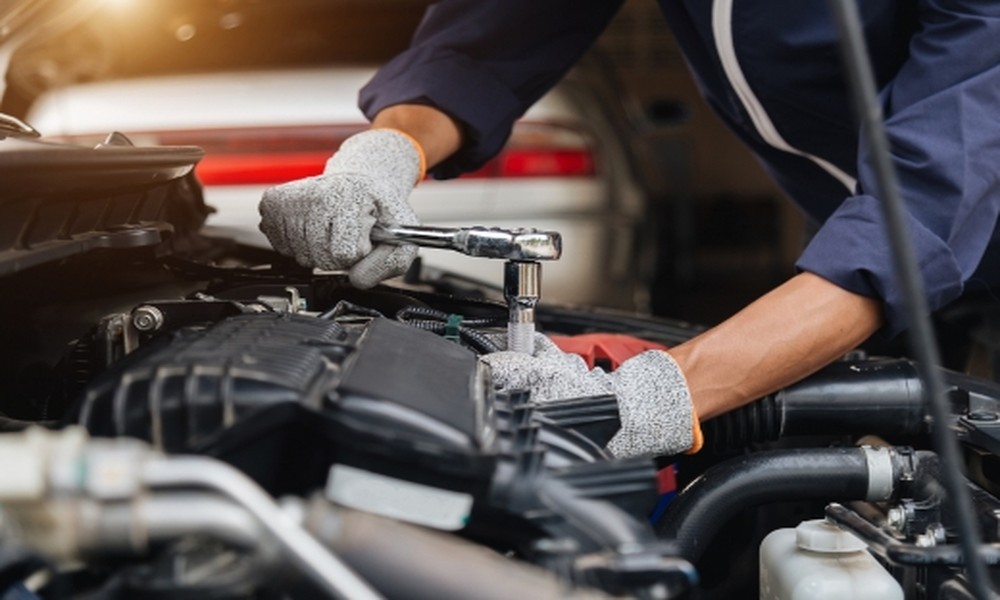
Modern vehicles are designed to handle daily driving demands, but even the most reliable car can develop issues over time. Ignoring early warning signs may lead to expensive repairs, lower fuel efficiency, or unexpected breakdowns. Understanding the common symptoms of automotive trouble can help drivers take quick action before small concerns become major problems. Seeking timely service from professionals specializing in auto repair philadelphia can help keep vehicles safe and dependable throughout the year.
Unusual Noises While Driving
One of the earliest signs of vehicle trouble is the appearance of unfamiliar sounds. Grinding brakes, squealing belts, knocking from the engine, or clunking beneath the vehicle should never be ignored. These noises often indicate worn components or mechanical stress. Drivers who pay attention to these sounds can often prevent larger repair issues and avoid additional damage to connected parts.
Dashboard Warning Lights Stay On
Dashboard warning lights are designed to alert drivers when systems require inspection. While some lights may signal minor issues, others indicate serious mechanical or electrical problems. The check engine light, oil pressure warning, battery indicator, and brake system alerts should be addressed as soon as possible. Continuing to drive without diagnosis may place unnecessary strain on the engine or other critical systems.
Difficulty Starting the Vehicle
If a car struggles to start, requires multiple attempts, or produces clicking noises when turning the key, the problem could involve the battery, alternator, starter, or fuel system. Cold weather and aging electrical components can also affect performance. Prompt inspection helps identify the root cause before the vehicle fails completely at an inconvenient time.
Vibrations or Shaking During Operation
A smooth ride is an important indicator of proper vehicle condition. Excessive shaking while braking, steering, or accelerating may point to tire imbalance, suspension wear, brake rotor issues, or alignment problems. Ignoring these vibrations can reduce driving comfort and may affect overall vehicle handling and safety on the road.
Decreased Fuel Efficiency
A sudden drop in fuel economy is often a sign that something is not functioning correctly. Dirty air filters, failing oxygen sensors, clogged fuel injectors, or tire pressure issues can all contribute to poor gas mileage. Drivers who notice they are filling up more often than usual should consider having the vehicle inspected to identify hidden performance concerns.
Fluid Leaks Under the Vehicle
Vehicles rely on multiple fluids to operate safely, including engine oil, coolant, transmission fluid, and brake fluid. Puddles or stains beneath the car may indicate a leak that requires immediate attention. Different fluid colors can help identify the issue, but professional evaluation is the safest way to determine the severity of the problem and prevent mechanical failure.
Burning Smells or Excessive Smoke
Strange odors inside or outside the vehicle can signal overheating parts, leaking fluids, or electrical issues. Smoke from the exhaust may also indicate engine trouble or oil leaks. Burning smells should never be dismissed, especially if accompanied by reduced performance or warning lights. Addressing these issues early can help drivers avoid more serious mechanical damage and maintain long-term vehicle reliability.
