


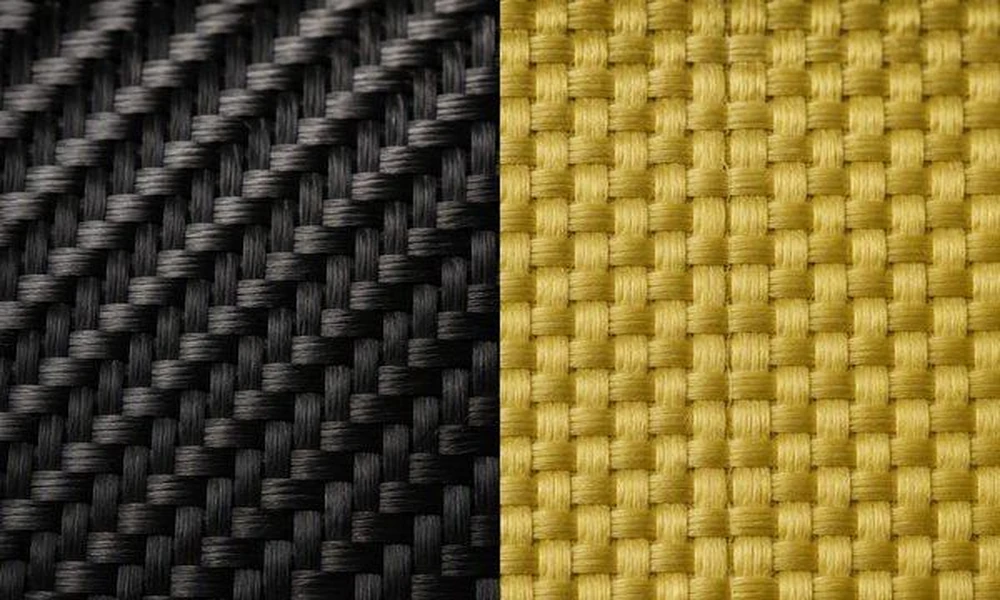
Well-kept composite parts age slowly. Neglected ones age in a single summer.
Composite parts do not rust and they do not rot, which convinces a lot of owners they are maintenance-free. They are not. Carbon fiber, Kevlar, and the black-and-gold hybrid weave each have their own way of aging, and a little specific care buys years of extra life. Here is what actually matters, material by material.
Carbon Fiber: Protect the Resin, Not the Fiber
The carbon threads themselves are nearly immortal on a street car. What ages is the epoxy around them. UV light breaks down the resin surface, and once the clear coat clouds or yellows, the weave underneath starts to look tired no matter how healthy it is. A quality UV-stable clear coat or ceramic coating is the single best investment in a carbon part’s lifespan. Wash it like paint, because the surface you are washing is paint-adjacent.
The second carbon killer is hidden damage. Carbon can delaminate internally from an impact and look fine from outside. After any real hit, a curb strike, a big rock, a minor bump, press and flex the part gently and listen for crackling. Catch delamination early and a repair is possible. Miss it and you are buying a new part.
Kevlar: Sunlight Is the Enemy
Aramid fibers have a genuine weakness: UV degrades the fiber itself, not just the resin. Any Kevlar or hybrid part with visible gold weave needs its UV-blocking clear coat kept in good condition. If the coating fails and the gold starts looking dull or chalky, refinish it promptly, the damage is cumulative.
The good news is impact care. Where carbon hides its injuries, Kevlar shows them honestly. Dents, scuffs, and fraying spots are visible immediately, so inspection is easy: walk around the car, look, done. Most Kevlar damage is cosmetic long before it is structural.
Hybrid Weave: Both Rulebooks Apply
A carbon Kevlar part asks you to run both checklists. UV protection for the aramid threads, impact inspection for the carbon ones. In return it gives you the best real-world durability of the three, which is the entire point of the weave. The carbon Kevlar vs carbon fiber breakdown explains the behavior you are protecting.
Universal Rules That Add Years
- Pressure washers: keep the lance back. A concentrated jet at close range can lift edges and force water into the laminate on any composite part.
- Heat: keep parts clear of exhaust reroutes and turbo heat blankets that were never part of the design. Resin systems have service temperature limits, and exceeding them softens the matrix permanently.
- Chemicals: brake cleaner and aggressive solvents attack epoxy. If you would not put it on your paint, do not put it on your carbon.
- Storage: spare parts live best flat, dry, and out of sunlight. A splitter leaning against a garage wall for a winter can warp enough to matter.
Storing Parts Through the Off-Season
Winter storage kills more composite parts than driving does. The rules are simple but specific: store parts flat, not leaning. A splitter propped against a wall for four months can take a set you will never fully correct. Keep them dry and out of sunlight, because UV works on aramid fibers even through a garage window. And resist the urge to wrap parts in plastic sheeting, which traps condensation against the resin. A breathable car-cover fabric over a flat shelf is the whole secret. Five minutes of care in November saves a warped part in April.
The Five-Minute Monthly Inspection
Care only works if it happens, so keep it short enough to actually do. Once a month, with the car clean: run your hand along the splitter and lips feeling for new edges or soft spots; sight down each panel in low light for waviness that was not there before; check the clear coat on any visible gold weave for cloudiness; and glance at mounting points for stress whitening around bolts. Five minutes, no tools. Every expensive composite failure I have seen announced itself weeks in advance to anyone who was looking. Be the person who was looking.
When Care Stops and Replacement Starts
Through-cracks across load paths, delamination you can hear, and frayed aramid at a mounting point are all retirement conditions, not repair projects. Everything short of that is usually fixable or livable. And if you are choosing replacement parts, construction quality matters as much as material. The dry carbon vs wet carbon guide is a good primer on what separates a part that lasts from one that just photographs well.
Composites ask for less care than steel or aluminum. No rust, no corrosion, no polishing out oxidation. Give them UV protection, honest inspections, and sensible washing, and they will outlast your ownership of the car. That is the entire maintenance philosophy: small habits, done regularly, beat expensive rescues every time.
