


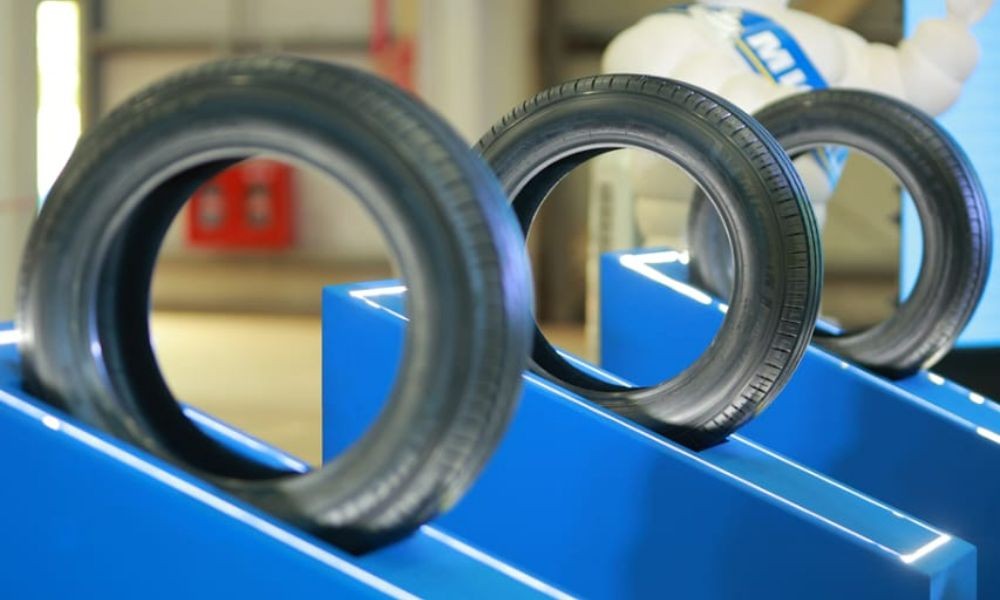
Understanding tyre size markings can feel confusing at first. Numbers like 120/70 R17 don’t explain much unless you know what they mean. But once you break them down, they help you choose the right tyres for your bike, ensuring better handling, safety, and comfort on the road.
Decoding Tyre Markings for Accurate Comparison
Reading tyre size markings becomes much easier once you understand what each part stands for. The first number indicates width in millimetres, while the second shows the aspect ratio as a percentage.
Breaking Down the Numbers
Let’s take a common example: 180/55 ZR 17
- 180 – tyre width in millimetres
- 55 – sidewall height as a percentage of width
- ZR – radial construction designed for higher speeds
- 17 – rim size in inches
Additional markings like M/C confirm motorcycle use, while load and speed ratings (73W) indicate maximum carrying capacity and safe operating speeds.
Construction Types Matter
Tyre construction also plays a role when comparing sizes and performance:
Radial tyres (R):
- Better stability at higher speeds
- Improved grip and comfort
- Common on modern bikes
Bias tyres (-):
- Stronger construction for rough roads
- More durable for daily use
- Common on commuter bikes
Many manufacturers, including Eurogrip, offer both types depending on the riding need.
Selecting Tyres Based on Riding Requirements
Your riding style directly influences optimal tyre size selection. Different tread patterns and compounds serve specific purposes.
Street and Sport Options
Street tyres maximise road contact through minimal grooving, ideal for daily commuting on dry tarmac. Sport variants feature aggressive patterns with deeper grooves for enhanced cornering grip.
Tyre size comparison factors to consider:
|
Tyre Type |
Best For |
Key Features |
|
Street |
Daily commuting |
Smooth tread, long life |
|
Sport |
Spirited riding |
Soft compound, maximum grip |
|
Sport-Touring |
Mixed use |
Balanced performance |
|
Touring |
Long distance |
Deep grooves, wet grip |
Adventure and Dual-Sport Choices
Adventure riders need versatile tyres handling both tarmac and trails. Dual-sport designs feature:
- Knobby tread blocks for off-road traction
- Wider spacing between blocks
- Harder compounds resisting punctures
Adventure riders need tyres that can handle both paved roads and rough terrain. These tyres usually feature deeper tread patterns and stronger construction. Many brands, including Eurogrip’s Remora series addresses these needs, offering reliable performance across varied terrains Indian riders encounter.
Making the Right Choice
Choosing the right tyre size comes down to matching your bike’s specifications with how you ride.
Sticking to Manufacturer Recommendations
Always follow your bike manufacturer’s recommended tyre size. Changing it can affect handling, braking, and even speedometer accuracy. Professional fitting ensures proper mounting, balancing, and inflation. Trained technicians check manufacturing dates, preventing installation of aged stock that compromises safety.
Price Considerations Across Segments
Tyre prices vary depending on the type and performance level. Commuter tyres are usually more affordable, while sport and adventure tyres cost more due to advanced materials and construction.
- Commuter tyres: ₹1,000-₹2,000 per tyre
- Sport tyres: ₹3,000-₹5,000 per tyre
- Touring tyres: ₹2,500-₹4,500 per tyre
- Adventure tyres: ₹3,500-₹6,000 per tyre
Making the Right Choice Easier
Understanding tyre sizes makes it easier to choose the right option for your bike. Once you know how to read the markings and match them to your riding needs, the process becomes much simpler.
Stick to recommended sizes, consider how you ride, and focus on tyres that offer the right balance of grip, durability, and comfort. With options available from brands like Eurogrip, you can find tyres suited to both everyday use and longer rides without overcomplicating your decision..
