


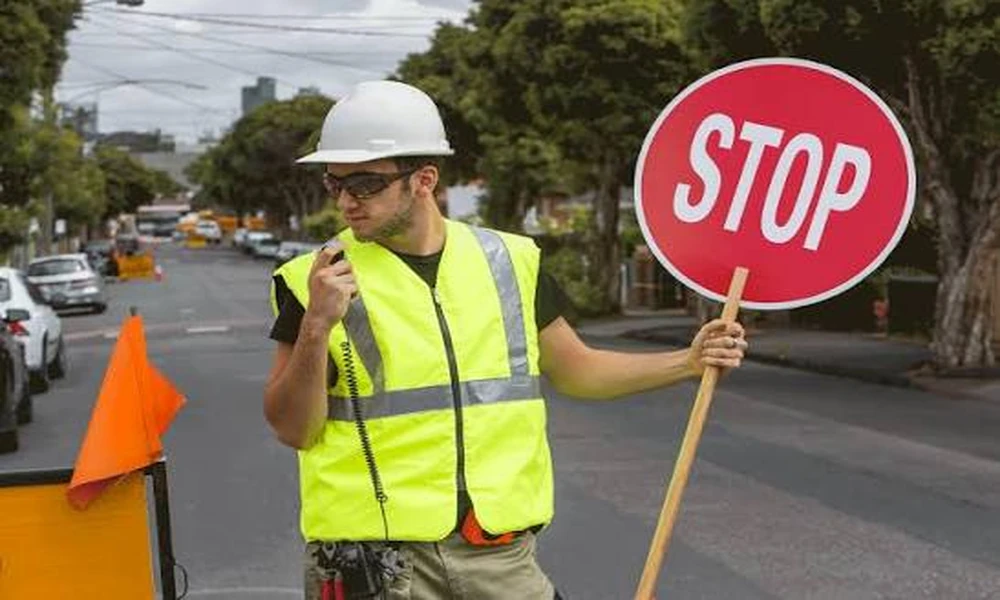
Workplaces are crowded places where workers, contractors, cars, equipment, and members of the public may all need to pass through or around the same area. Even everyday tasks might provide needless dangers if they are not properly coordinated. Professionals in traffic management are crucial to maintaining order in these settings and facilitating safe mobility.
Traffic control training might be a useful first step for someone who wants to work in infrastructure, construction, road construction, or similar fields. While learning skills that may be used in dynamic work contexts, it exposes students to workplace safety duties.
Recognising Traffic Control’s Function
Traffic controllers assist in controlling how cars and people move through certain work zones. Directing traffic, interacting with employees, keeping an eye on shifting site circumstances, and adhering to authorised traffic management plans are some of their duties.
It takes more than just telling cars to halt or go forward. Traffic controllers must be vigilant and aware of their surroundings. Site circumstances might be abruptly changed by an unexpected vehicle, increased pedestrian activity, equipment movement, or a change in the weather.
Traffic controllers must adhere to established protocols since they often operate in close proximity to moving equipment and vehicles. Before someone starts carrying out these duties in actual work settings, training offers a systematic introduction to them.
Gaining Useful Safety Knowledge
The purpose of a traffic controller course is to familiarise participants with the practical skills and information related to traffic control responsibilities. Participants may learn about workplace risks, traffic management protocols, communication techniques, personal protective equipment, signs, gadgets, and safe positions, depending on the specific training needs.
Learning to identify risks before they become more serious issues is one of the most beneficial parts of training. Trained employees are taught to constantly monitor their environment and identify evolving dangers rather than simply responding when something goes wrong.
Beyond traffic management, this safety-focused approach may be helpful. Procedural discipline, good communication, and hazard awareness are important traits in many infrastructure and construction jobs.
Communication Matters on Active Worksites
An essential component of traffic control is clear communication. In addition to communicating with supervisors and other team members, workers must provide directions that road users can comprehend.
In particular, consistency is crucial. When entering a work location, drivers must have adequate time to comprehend instructions and react correctly. Directions that are unclear or poorly timed might impede traffic flow and perhaps lead to dangerous situations.
Participants may learn effective communication strategies and the value of paying attention while doing their jobs with the aid of training. Because traffic management typically requires several people coordinating their tasks, it also emphasises the need for collaboration.
Developing Self-Belief Before Going To Work
It might be difficult to begin work in a new setting, especially when there are safety obligations. Before using their knowledge on the job site, participants in structured training have the chance to familiarise themselves with standard operating procedures and expectations.
People may better comprehend the mental and physical challenges of traffic control via hands-on instruction. Spending a lot of time outside, staying focused, adapting to changing circumstances, and interacting with a wide range of individuals might all be part of the job.
People may decide if traffic control fits their interests and working style more intelligently if they are aware of these expectations early on.
Building A Basis For Upcoming Prospects
Traffic control may be a starting point for more extensive infrastructure and building projects. Workers may learn about workplace protocols, safety standards, team structures, and daily operations by being exposed to ongoing projects.
Some individuals may decide to seek more training or investigate other facets of traffic management, construction, civil works, or workplace safety as their experience grows. These paths may benefit from the communication and danger awareness abilities acquired via traffic control jobs.
However, finishing basic training is not the only requirement for career progression. Long-term advancement may be facilitated by consistent attendance, professional conduct, adherence to safety protocols, and a desire to keep learning.
Starting The Process Of Ensuring Workplace Safety
On construction sites where cars and people are involved, traffic management plays a crucial role. Those who want to work in this sector should be aware that their choices have an impact on the public, drivers, colleagues, and pedestrians.
Before entering a busy workplace, prospective employees might better grasp their obligations with the aid of appropriate training. For those who want to pursue a career in construction operations and jobsite safety, traffic control training might be a great place to start since it develops practical safety knowledge, communication skills, and confidence.
