


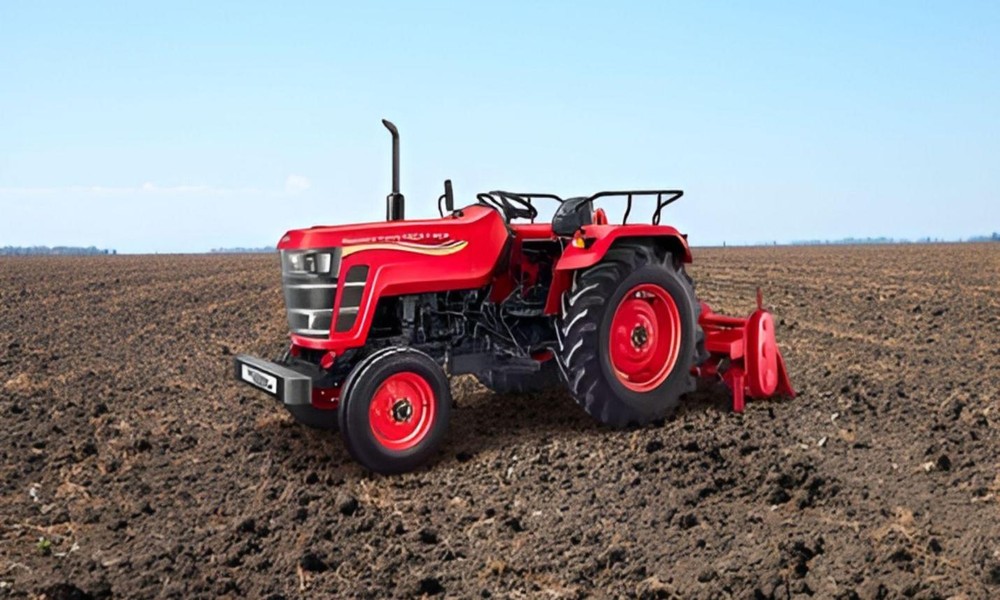
A Mahindra tractor is built for demanding Indian farm work, but long life depends on steady care between services. Simple checks can prevent overheating in peak summer, hard starts on cold mornings, and costly breakdowns during sowing or harvest. Use the routine below as your clear, no-fuss plan for keeping the machine ready.
Follow the service schedule, not the season
Every model has its own service intervals, so keep the owner’s manual close and follow it even if the tractor feels fine. Dust, heavy loads, and stop-start work can shorten oil and filter life.
- Note service hours on a sticker near the dashboard.
- Book periodic service early, before the busy season.
- Replace filters on time, not after a problem appears.
Do the five-minute daily walkaround
Before you turn the key, do a quick round of the tractor.
- Check the engine oil level on the dipstick.
- Check the coolant level and look for leaks.
- Scan for loose nuts, broken clips, and fresh wet patches under the machine.
- Ensure lights and horn work if you will be on the roads.
Engine oil and filter care that pays back
Clean oil protects your tractor engine from wear.
- Use the oil grade recommended for your climate.
- Change the oil filter with every oil change.
- Wipe around the filler cap before opening so dirt does not fall in.
If you do long idling or heavy PTO work, change oil closer to the shorter interval mentioned in the manual.
Win the dust battle with the air filter
Many Indian farms have fine dust that quickly blocks airflow.
- Empty the dust bowl or pre-clean daily, if fitted.
- Clean the primary element only as advised; avoid high-pressure air that can tear the media.
- Replace the element if it is oily, damaged, or cannot be cleaned properly.
- Keep intake pipes and clamps tight to prevent unfiltered air entry.
Fuel system hygiene for reliable starts
Dirty diesel can damage injectors and the fuel pump.
- Use clean cans and a funnel with a mesh filter.
- Drain the water separator or sediment bowl regularly.
- Replace the fuel filter at the scheduled interval.
If the tractor sits for weeks, keep the tank fuller to reduce condensation.
Keep the cooling system ready for Indian summers
Overheating shortens engine life fast.
- Clean radiator fins of chaff and mud; spray from the back side.
- Use the correct coolant mix, not plain water, to reduce corrosion.
- Inspect belts and hoses for cracks and soft spots.
- Keep an eye on the temperature gauge while ploughing, rotavating, or hauling.
Transmission, hydraulics, and wet brakes
Gearbox and hydraulic oils work hard, especially with loaders and heavy tractor implements.
- Use only the specified transmission hydraulic oil.
- Replace oil and hydraulic filters on time.
- If lift becomes jerky or noisy, stop and check oil level and leaks before continuing work.
- Avoid riding the clutch; it overheats parts and reduces clutch life.
Greasing: small habit, big difference
Grease protects pins and bushes from water and grit.
- Grease steering joints and front axle pivots as listed in the manual.
- Grease three point linkage, stabiliser bars, and drawbar pins.
- Wipe the grease nipple before use so grit is not pushed inside.
After working in slush or during monsoon, grease more often.
Tyres and wheel hardware
Tyres affect traction, fuel use, and front axle load.
- Maintain recommended tyre pressure for field work versus road runs.
- Check tread for cuts and remove embedded stones.
- Recheck wheel nuts after tyre work and after a few hours of use.
Battery and electrical basics
Most “no start” issues are simple to prevent.
- Keep terminals clean and tight; use a light protective grease.
- Check electrolyte level on serviceable batteries and top up with distilled water.
- Ensure the alternator belt is not loose.
Spot trouble early with your senses
Your tractor often warns you before failure. Check for changes at day’s end.
- New knocking, whine, or hissing sounds.
- Burning smell near clutch, wiring, or brakes.
- Milkiness in engine oil or hydraulic oil, which can indicate water entry.
- Sudden rise in smoke, fuel use, or temperature.
- Cracks on hoses or belts.
If you notice these, stop work and get it inspected quickly.
Make tractor implements your maintenance partners
Poorly maintained tractor implements can damage your tractor through vibration, overload, and PTO shock.
- Grease implement gearboxes and PTO shafts.
- Keep blades and tines sharp so the tractor does not labour.
- Engage PTO at low revs, then bring the engine up smoothly.
- Use correct hitch pins and stabilisers so the linkage does not slam.
Drive and operate like you want it to last
Good habits reduce heat and stress, especially in long field days.
- Let the engine idle briefly before shutdown after heavy work.
- Use the right gear on slopes instead of slipping the clutch.
- Avoid overloading trolleys on village roads and braking hard.
- Do not hold the hydraulic lever in the lift once the implement is fully raised.
Store smart, especially in the monsoon
When parked, a tractor still faces rust and electrical moisture.
- Park under cover and keep the floor dry.
- Wash off mud, then dry and lubricate exposed linkages.
- Start the engine weekly during long storage and move the machine slightly to avoid tyre flat spots.
Keep records and use genuine parts
A small logbook improves reliability and resale.
- Record hours, service dates, and parts used.
- Fix repeat issues early, not after they become a failure.
- Use genuine filters and fluids from authorised sources for the right fit.
The Bottom Line
A well-maintained Mahindra tractor rewards you with fewer breakdowns, steadier performance, and stronger resale value. Keep tractor implements in good condition, and you will be ready for every season with confidence.
