


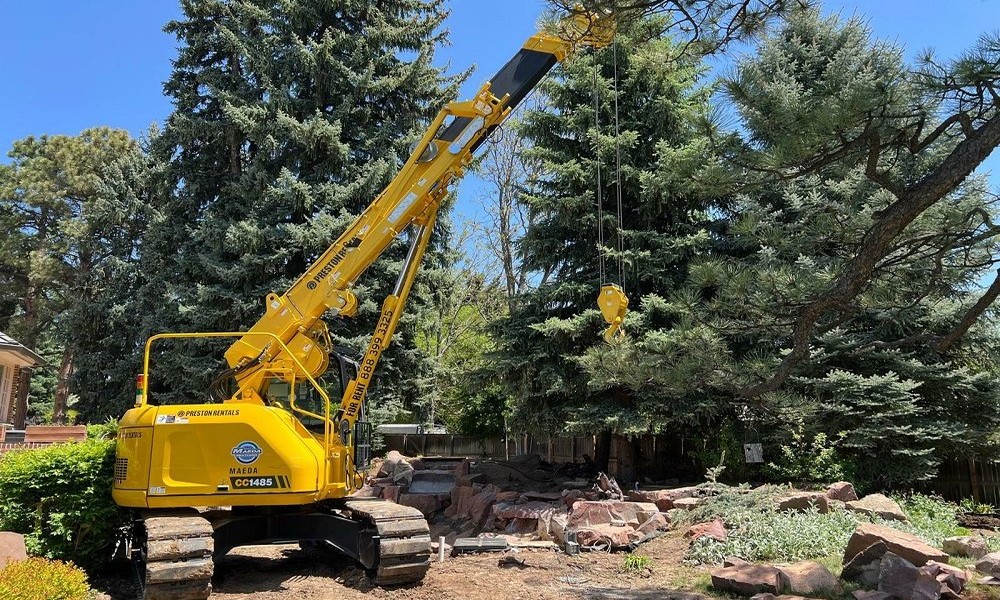
Lifting crane rental services provide essential equipment for various construction and industrial projects. These services enable project managers and contractors to access high-quality cranes without the financial burden of purchasing equipment. The right crane can enhance project efficiency, ensure safety, and meet specific project requirements.
Importance of Safety in Crane Operations
Safety is paramount in construction and industrial environments. The use of cranes involves significant risks, including accidents that can lead to injury or property damage. Adhering to established construction safety standards is critical. When selecting a lifting crane rental service, ensure that they comply with safety regulations, including:
Regular equipment inspections
Operator training and certification
Safety equipment availability
A reliable rental service prioritizes safety in all operations. Their commitment to maintaining high safety standards can greatly reduce the likelihood of accidents on your project site.
Efficiency and Project-Specific Crane Selection
Selecting the right crane for your project is essential for maximizing efficiency. Different types of cranes serve various purposes, and understanding these can help you choose the best option. Here are some common crane types:
- Mobile Cranes: Versatile and easy to maneuver, ideal for small to medium-sized projects.
- Tower Cranes: Best suited for large construction sites, providing significant lifting height and capacity.
- Bucket Cranes: Particularly useful for tasks requiring elevated access, such as maintenance or installation work.
When considering a rental, discuss your project specifics with the rental service. They can help identify the most suitable crane type, ensuring that your project runs smoothly and efficiently.
Cost-Effectiveness of Crane Rentals
Renting a crane can be a cost-effective solution for many projects. Purchasing cranes entails substantial upfront costs, maintenance fees, and storage expenses. In contrast, lifting crane rental allows you to pay only for the duration of your project. This flexibility can significantly reduce overall project costs.
Additionally, rental services often include:
Maintenance and repairs
Insurance coverage
Transport logistics
These factors further contribute to the cost-effectiveness of renting a crane. When evaluating rental options, consider the total cost of ownership versus the cost of rental services.
Factors to Consider When Choosing a Crane Rental Service
Selecting the right lifting crane rental service involves several important considerations:
Reputation and Experience
Choose a service provider with a solid reputation and extensive experience in the industry. Look for customer testimonials and case studies that showcase their expertise in handling various types of projects.
Equipment Availability and Variety
Ensure that the rental service offers a diverse range of cranes. This variety allows you to select a crane that best fits your project requirements. Confirm that the equipment is well maintained and compliant with safety standards.
Support and Training
A reputable rental service should provide comprehensive support, including operator training. This is crucial for ensuring safe and efficient crane operations. Verify that the provider offers training programs that meet industry standards.
Transparent Pricing
Request detailed quotes from potential rental services. These quotes should outline all costs, including rental rates, delivery fees, and any additional charges. Transparency in pricing helps you budget effectively and avoid unexpected expenses.
The Role of Bucket Crane Rental in Specialized Projects
Bucket cranes are specifically designed for tasks that require elevated access. They are equipped with a platform that can safely lift personnel and equipment to hard-to-reach areas. This type of crane is ideal for projects such as the following:
Electrical work
Tree trimming and maintenance
Building inspections
When considering a bucket crane rental, assess the height and load capacity needed for your project. Collaborating with a knowledgeable rental service can ensure you select the right equipment for your specific tasks.
Best Practices for Crane Operation
To enhance safety and efficiency during crane operations, adhere to the following best practices:
Conduct pre-operation inspections to ensure equipment is in good working condition.
Develop a comprehensive lift plan that outlines the lifting process, including load weights and rigging methods.
Ensure clear communication among team members during operations to prevent misunderstandings and accidents.
Training and adherence to these practices can significantly improve the safety and efficiency of your project.
Ensuring Compliance with Equipment Handling Guidelines
Adhering to equipment handling guidelines is essential for maintaining safety and efficiency on construction sites. Familiarize yourself with local regulations and industry standards regarding crane operations. Compliance ensures that your project meets legal obligations and minimizes risks.
Regular training sessions for operators and crew members can reinforce the importance of following these guidelines. Engaging with a knowledgeable rental service can provide additional resources and support for compliance.
Making the Right Choice for Your Project Needs
Selecting the best crane services is a critical decision that can impact the success of your project. By prioritizing safety, efficiency, and cost-effectiveness, you can ensure that your project runs smoothly and meets its objectives.
Engaging with a reputable provider can enhance your project’s outcomes. Their commitment to safety and high-performance crane rental solutions makes them a valuable partner for construction and industrial needs.
In summary, understanding the factors influencing crane rental decisions will empower you to make informed choices that align with your project requirements.
