


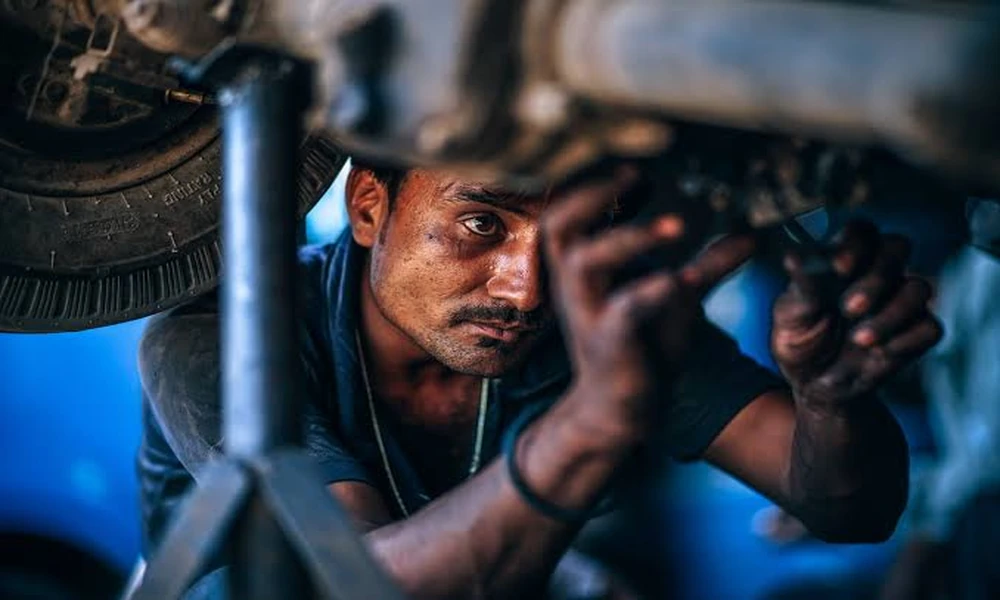
A collision rarely ends with visible dents alone. Hidden damage often changes repair priorities and influences long-term vehicle safety. Before replacing damaged panels, skilled technicians examine structural components, safety equipment, and mechanical systems. Choosing this OKC body shop means every repair starts with careful inspection, reducing unexpected costs while protecting vehicle performance and occupant safety.
Hidden Structural Problems Shape Repair Plans
Surface damage tells only part of the story. Energy from an impact travels across connected vehicle sections. Slight frame movement may escape casual observation. A bent mounting point can affect panel alignment later. Even a parking-lot collision sometimes changes suspension geometry without leaving dramatic exterior marks. Careful inspection reveals those overlooked conditions before replacement parts enter the workshop.
Modern Vehicles Demand Deeper Inspection
Today’s vehicles combine lightweight materials with advanced electronic safety technology. Airbag sensors rely upon precise positioning for reliable operation. Camera brackets require accurate measurements after body repairs. Small alignment changes influence steering feel during daily driving. Diagnostic equipment confirms electronic systems communicate correctly before refinishing begins, preventing frustrating issues after vehicle delivery.
Inspection often includes:
- Frame measurement using digital equipment
- Suspension geometry verification
- Steering component examination
- Sensor calibration assessment
- Cooling system mounting inspection
Why Estimates Improve Before Repairs Start
Repair planning becomes stronger when every damaged area receives attention first. Missing hidden damage often changes labor requirements later. Shops avoid unnecessary interruptions through complete evaluation. Experienced technicians at this OKC body shop document structural findings before ordering replacement components. Customers receive clearer estimates because fewer unexpected discoveries interrupt ongoing repair work.
Small Damage Creates Larger Consequences
Consider a bumper struck during low-speed traffic. Exterior plastic might need replacement alone. Yet crushed energy absorbers reduce future impact protection considerably. Slight radiator support movement may affect cooling component alignment. Tire wear can increase when suspension angles drift beyond manufacturer specifications. Early detection prevents these hidden concerns from growing into expensive mechanical repairs.
Common hidden issues include:
- Twisted frame rails
- Wheel alignment changes
- Damaged impact absorbers
- Broken sensor brackets
Equipment Reveals What Eyes Miss
Experienced technicians trust measurement tools instead of visual judgment alone. Computerized frame systems compare dimensions against factory specifications. Electronic diagnostics identify communication faults after collision events. Precision alignment equipment verifies steering angles before final assembly. Paint work should begin only after structural accuracy meets original manufacturing standards, protecting repair quality from avoidable setbacks.
Key inspection priorities:
- Structural measurement accuracy
- Electronic safety verification
- Suspension evaluation
- Mounting point inspection
- Wheel alignment confirmation
- Component integrity review
Repair Quality Begins Before Paint
Excellent body repairs depend upon careful preparation instead of quick cosmetic improvement. Accurate measurements protect safety systems while reducing repeat repairs later. Hidden structural movement rarely announces itself through obvious exterior damage. Vehicles repaired after complete inspection often maintain stronger driving characteristics, preserve resale confidence, and deliver dependable protection throughout years of everyday travel.
FAQs
Why inspect hidden damage before replacing body panels?
Visible dents seldom reveal complete collision effects. Structural movement, damaged brackets, or electronic faults may exist beneath exterior panels. Early inspection creates accurate repair planning while reducing unexpected repair delays.
Can minor accidents create hidden structural damage?
Yes. Low-speed impacts sometimes shift suspension components, bend mounting locations, or damage impact absorbers. Exterior appearance alone cannot confirm structural condition after any collision.
Why do repair estimates change without inspection?
Incomplete evaluation leaves hidden problems undiscovered. Technicians may uncover additional damage after disassembly, increasing labor requirements and replacement parts. Thorough inspection produces more dependable estimates before repairs begin.
