


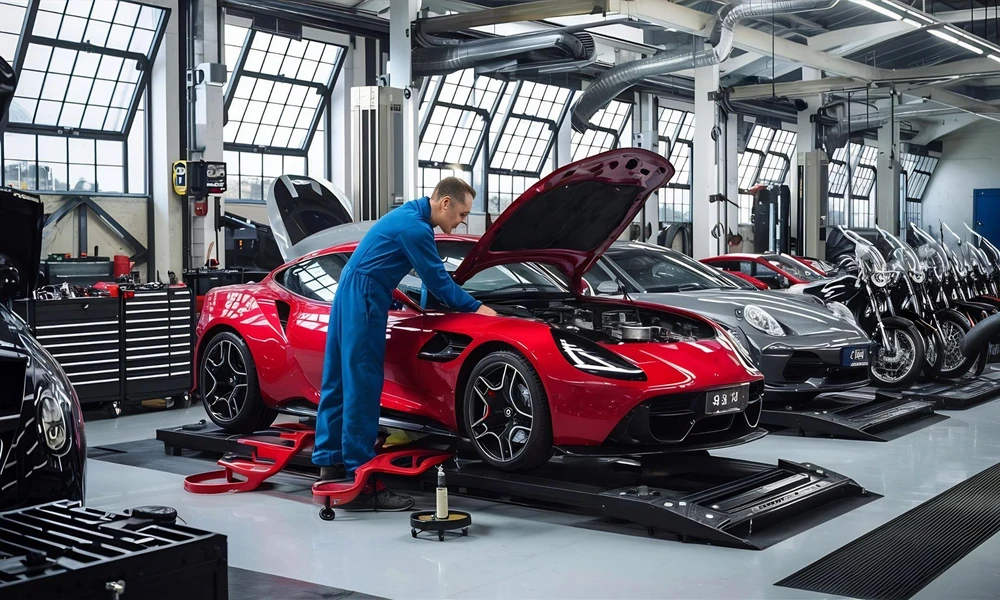
Maintaining a Porsche involves more than responding when a warning light appears or a component stops working. Regular servicing can help identify developing issues, monitor wear and keep important vehicle systems in suitable condition.
Owners planning Porsche servicing in Singapore should therefore consider how individual maintenance decisions contribute to the car’s longer-term condition. The choice of servicing schedule, inspection scope, replacement components and workshop can all affect how effectively potential problems are identified and addressed.
1. Are You Following an Appropriate Servicing Schedule?
Regular maintenance provides an opportunity to inspect components before problems become more apparent. The appropriate schedule depends on the Porsche model, age, mileage and previous maintenance history.
Owners should keep track of when routine servicing is due rather than waiting for obvious symptoms. A vehicle can continue to drive normally while components gradually experience wear.
Review the manufacturer’s recommended maintenance requirements and consider the car’s actual usage. Frequent short journeys, heavy traffic or other demanding driving conditions may affect how the vehicle experiences normal wear.
2. Does the Service Include More Than a Basic Oil Change?
Routine servicing can involve several checks beyond replacing engine oil. Depending on the vehicle and service interval, technicians may inspect brakes, tyres, fluids, filters, suspension components and other systems.
Ask what the planned service covers before approving the work. Understanding the inspection scope helps owners distinguish between routine maintenance and additional repairs identified during the assessment.
A broader inspection can also provide useful information about developing issues that may not yet affect everyday driving. This allows owners to consider repairs according to urgency rather than discovering them only after a noticeable failure.
Before You Decide
Check these points before booking a service:
- Confirm which maintenance items apply to your Porsche model and mileage.
- Ask what inspections the proposed service includes.
- Establish whether diagnostic checks form part of the assessment.
- Ask how the workshop will communicate additional repair findings.
- Keep previous service records available for reference.
3. What Parts and Fluids Will the Workshop Use?
Replacement components and fluids form an important part of vehicle maintenance. Owners should understand what the workshop intends to use when servicing or repairing the car.
Ask whether replacement parts meet the appropriate specifications for the vehicle and whether the selected fluids correspond with the manufacturer’s requirements.
The lowest immediate cost does not necessarily provide the most appropriate maintenance decision. Consider compatibility, expected service life and the role of each component when evaluating repair recommendations.
Clear communication about replacement parts can also help owners understand why a particular item requires replacement and what the work is intended to achieve.
4. How Will Developing Problems Be Identified?
A servicing appointment provides an opportunity to identify issues that may not yet produce obvious symptoms. Diagnostic equipment and physical inspection can reveal information that routine driving may not provide.
Pay attention to how the workshop approaches diagnosis. If a technician identifies an issue, ask what evidence supports the recommendation and whether the repair requires immediate attention.
Understanding the distinction between urgent repairs, preventative maintenance and items that can be monitored gives owners more information when deciding how to manage future servicing costs.
5. Will Your Service History Remain Clear?
Consistent service records can help owners and technicians understand how the vehicle has been maintained over time. Records may include dates, mileage, work performed, replaced components and observations from previous inspections.
Keep these details organised and provide them when changing workshops. A clear history can help technicians avoid unnecessary duplication and identify patterns that may require closer attention.
Service documentation can also become useful when planning future maintenance because it shows what has already been completed and when particular components were last inspected or replaced.
Choosing a Servicing Approach
Long-term vehicle condition depends on a series of maintenance decisions rather than one isolated service appointment. Owners can make those decisions more effectively by understanding the required schedule, inspection scope, replacement components and condition of the vehicle.
When comparing a Porsche workshop in Singapore, consider whether the workshop can provide appropriate diagnostic assessment, explain maintenance findings clearly and maintain accurate service records. These factors can make routine servicing more useful as the vehicle ages.
Contact Kee Yong Auto to discuss Porsche servicing in Singapore and clarify the maintenance schedule, inspection requirements and servicing needs for your vehicle.
