


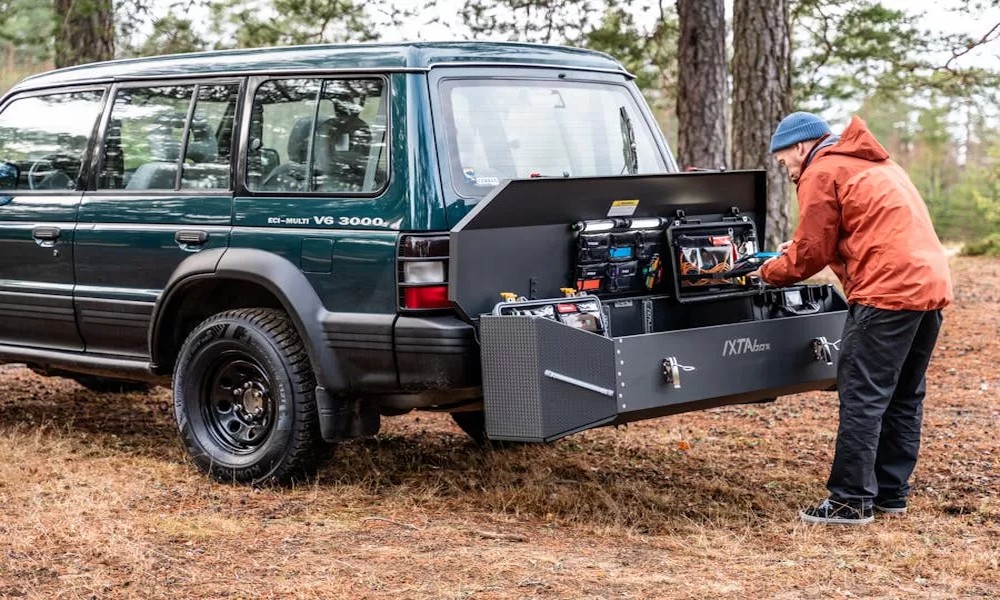
There’s something satisfying about loading up your vehicle on a Friday afternoon and heading out for a weekend adventure. It doesn’t matter whether you’re escaping to the mountains, visiting a national park, finding a remote campsite, or simply taking the family on a spontaneous road trip. The right preparation can turn a good weekend into a great one.
I’ve learned this lesson the hard way more than once. Forgetting a flashlight seems harmless until you’re trying to set up camp after sunset. Leaving behind a tire repair kit feels insignificant until you’re parked on the shoulder of a lonely back road staring at a flat tire.
The truth is that most outdoor enthusiasts spend a lot of time researching destinations but not enough time preparing their vehicles. A little planning goes a long way.
If you regularly spend your weekends outdoors, here’s a practical vehicle checklist worth keeping in mind before your next trip.
1. A Reliable Way to Transport Your Gear
One of the biggest mistakes people make is assuming they’ll have enough room for everything inside their vehicle.
Camping equipment, coolers, hiking gear, fishing equipment, and sports equipment can fill up a cargo area surprisingly fast. Before long, passengers are squeezing bags onto their laps and visibility through the rear window disappears.
That’s why it’s smart to have dedicated transportation solutions for larger gear. Roof boxes, cargo carriers, and hitch-mounted accessories can dramatically improve comfort during long drives.
For cyclists, a quality vertical bike rack can free up cargo space and make loading multiple bikes significantly easier, especially for families or groups traveling together.
The less clutter you have inside the vehicle, the more comfortable everyone will be during the drive.
2. Emergency Roadside Equipment
Even if your vehicle is meticulously maintained, unexpected problems happen.
A basic roadside kit should include:
- Jumper cables or a portable jump starter
- Tire pressure gauge
- Tire repair kit
- Flashlight
- Work gloves
- Reflective safety triangles
- Basic tool set
Portable lithium jump starters have become particularly useful in recent years. Many are compact enough to fit in a glove compartment while providing enough power to start most vehicles.
The peace of mind alone is worth the small investment.
3. First Aid Supplies
Most people carry a first aid kit because they think about major emergencies.
In reality, first aid kits usually get used for much smaller situations.
Minor cuts, blisters, insect bites, headaches, and scraped knees tend to happen far more often than serious injuries during outdoor adventures.
The American Red Cross provides excellent recommendations for building a comprehensive first aid kit that fits your specific activities and travel plans.
A well-stocked kit should include:
- Bandages
- Antiseptic wipes
- Gauze
- Pain relievers
- Tweezers
- Medical tape
- Allergy medication
You’ll probably use it eventually.
4. Extra Water
This sounds obvious, yet it’s one of the most commonly overlooked items.
Many people only bring enough water for the planned activity itself. They don’t account for unexpected delays, road closures, vehicle issues, or changes in weather.
I always recommend carrying extra drinking water in the vehicle, regardless of the season.
According to guidance from the Centers for Disease Control and Prevention, maintaining access to safe drinking water is one of the most important aspects of emergency preparedness.
A few additional gallons stored securely can make a significant difference if plans don’t go exactly as expected.
5. Navigation Backups
Technology is incredible-until it isn’t.
GPS systems and smartphone navigation apps work wonderfully most of the time. But remote areas often have poor cell service, and battery life doesn’t last forever.
Before heading into unfamiliar territory, consider downloading offline maps or carrying a physical map as a backup.
The National Park Service routinely recommends visitors understand navigation options before entering remote areas where connectivity may be limited.
A little redundancy can prevent a lot of frustration.
6. Portable Power Solutions
Modern adventures often involve more electronics than people realize.
Phones, cameras, GPS devices, action cameras, portable lights, drones, and tablets all need power.
A portable power station can be incredibly useful for:
- Charging devices
- Running small appliances
- Powering lights
- Supporting emergency situations
Unlike traditional generators, many newer power stations operate quietly and require minimal maintenance.
Even a small unit can significantly improve convenience during a weekend away from home.
7. Weather-Appropriate Clothing
Outdoor conditions can change quickly.
A sunny forecast doesn’t guarantee sunny conditions for an entire weekend.
Experienced travelers know that layering is usually the safest approach.
Your vehicle should always carry:
- Rain jacket
- Warm layer
- Extra socks
- Hat
- Gloves during colder months
I’ve been caught in unexpected mountain weather enough times to know that forecasts aren’t always perfect.
Packing a few extra clothing options takes very little effort and can make a huge difference.
8. Food Beyond Your Planned Meals
It’s easy to focus on the meals you’ve scheduled and forget about contingency planning.
Unexpected delays happen.
Trails take longer than anticipated. Traffic becomes unpredictable. Campsite check-ins get pushed back.
Keeping shelf-stable snacks in the vehicle is a simple solution.
Some reliable options include:
- Protein bars
- Trail mix
- Jerky
- Dried fruit
- Crackers
You don’t need a month’s worth of supplies. Just enough to bridge the gap if plans change unexpectedly.
9. Vehicle Maintenance Essentials
Before any adventure, it’s worth spending five minutes checking a few key items.
Review:
- Tire pressure
- Oil level
- Coolant level
- Windshield washer fluid
- Brake condition
- Battery health
The National Highway Traffic Safety Administration recommends performing basic vehicle inspections before road trips to reduce the likelihood of breakdowns and safety issues.
Many roadside problems are preventable with a quick pre-trip inspection.
10. A Flexible Mindset
This might be the most important item on the list.
Not every trip will go according to plan.
Weather changes.
Trails close.
Reservations get mixed up.
Equipment breaks.
The people who consistently enjoy outdoor adventures aren’t necessarily the ones with the most expensive gear or the newest vehicles.
They’re the people who adapt.
A flexible mindset turns inconveniences into stories you’ll laugh about later.
Sometimes the most memorable parts of a trip are the unexpected moments that weren’t on the itinerary in the first place.
Now You Know What Every Outdoor Enthusiast Should Carry
Weekend adventures don’t require complicated planning, but they do benefit from thoughtful preparation.
A few simple items in your vehicle can improve safety, increase comfort, and reduce stress when unexpected situations arise.
Whether you’re heading into the mountains, exploring back roads, camping with family, or chasing new outdoor experiences, having the right essentials on hand allows you to focus on what matters most: enjoying the journey.
After all, the goal isn’t simply reaching the destination. It’s making the entire experience smoother, safer, and a lot more enjoyable along the way.
