


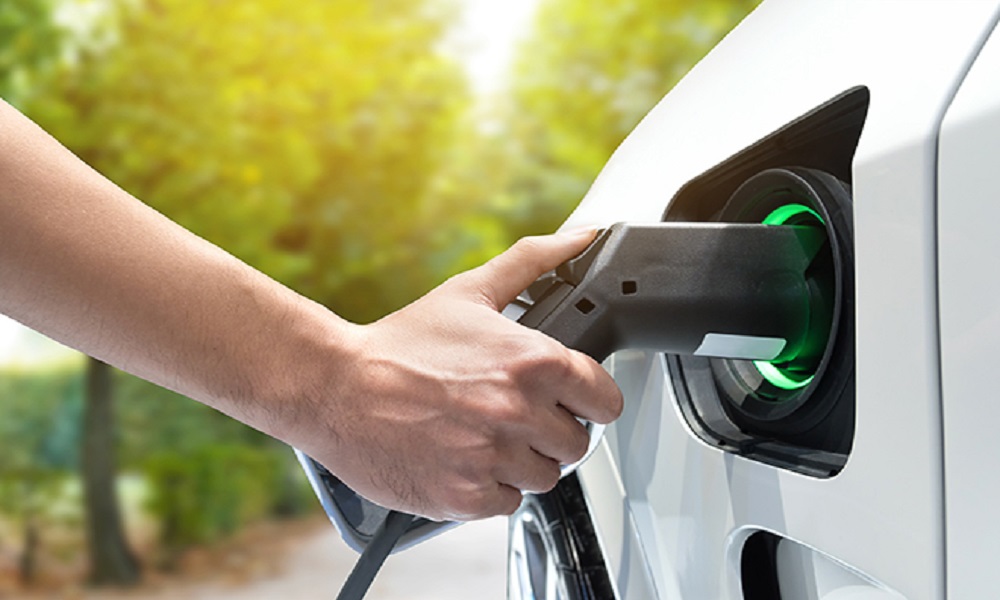
Installing an EV charger at home turns your garage or driveway into a personal fueling station. Instead of relying on public chargers, you plug in overnight and wake up to a full battery. For most homeowners, installation costs range from $800 to $3,000 depending on electrical capacity, location, and equipment selection.
This guide focuses specifically on residential EV charger installation – from understanding charger types to panel upgrades, costs, incentives, and long-term optimization.
Understanding Home EV Charger Installation
Home EV charger installation involves adding a dedicated charging unit that connects directly to your home’s electrical system. Most homeowners install a Level 2 charger on a 240-volt circuit in a garage or driveway.
A licensed electrician evaluates your electrical panel, installs a dedicated circuit, mounts the charger, and ensures compliance with local electrical codes. Most installations take 4-8 hours once the site is ready.
Benefits of Charging at Home
Home charging offers several advantages:
Convenience – Charge overnight without visiting public stations
Lower cost – Residential electricity rates are far cheaper than public fast charging
Time savings – No waiting in line
Property value – Installed chargers improve resale appeal
Smart control – Schedule charging during off-peak hours
Most EV owners recover installation costs over time through electricity savings compared to public charging networks.
Choosing the Right Home Charger
Level 1 Chargers
These plug into a standard 120V outlet and provide 3-5 miles of range per hour. They require no installation but are too slow for most daily commuters.
Level 2 Chargers (Most Popular)
Operate on 240 volts and deliver 25-30 miles of range per hour. Installation requires a dedicated 40-60 amp circuit. Equipment and installation typically cost $800-$3,000 total.
Smart features may include:
WiFi connectivity
Scheduling
Energy monitoring
Utility rate optimization
Preparing Your Home
Electrical Panel Assessment
Most Level 2 chargers require 30-50 amps. Homes with 200-amp service usually support this. Homes with 100-amp service may require upgrades.
Upgrading from a standard outlet to a hardwired Level 2 system significantly reduces charging time. A professional EV Charger Installation Oakville includes proper grounding, weather protection, and secure mounting for long-term durability.
Many EV owners in Burlington are choosing Electric Car Charger Installation Burlington to enhance property value and simplify daily charging routines while maintaining full ESA compliance.
Panel Upgrades
If needed, upgrading to 200-amp service costs $1,500-$3,500. Your electrician will handle permits and coordinate with the utility provider.
Charger Location
Installation cost depends on distance from the panel. Each additional foot of wiring increases cost. Garage installations are simpler and less expensive than outdoor setups.
Permits and Inspection
Most municipalities require electrical permits. Permit fees range from $50-$250. Inspections ensure compliance with National Electrical Code standards.
Installation Options
Hardwired Installation
Direct connection to the panel. Cleaner appearance. Often required for higher amperage chargers.
Plug-In Installation (NEMA 14-50)
Uses a 240V outlet. Provides flexibility if you move or upgrade equipment.
Costs and Incentives
Typical cost breakdown:
Charger hardware: $300-$900
Labor: $300-$1,500
Panel upgrade (if required): $1,500-$3,500
Permit fees: $50-$500
Federal tax credits may cover 30% of installation costs (up to $1,000 in qualifying areas). Many utilities offer rebates between $250-$1,500. Some also provide time-of-use rates that significantly reduce charging costs.
Optimizing Your Home Charging
Schedule charging overnight during off-peak rates to reduce electricity costs by 30-50%.
Consider load management systems if your panel capacity is limited. These systems automatically reduce charger power when other high-demand appliances run.
Perform maintenance every 6 months:
Inspect cable condition
Check connectors
Clean dust from ports
Ensure secure mounting
A properly installed home charger delivers years of reliable performance while reducing long-term fueling costs.
