


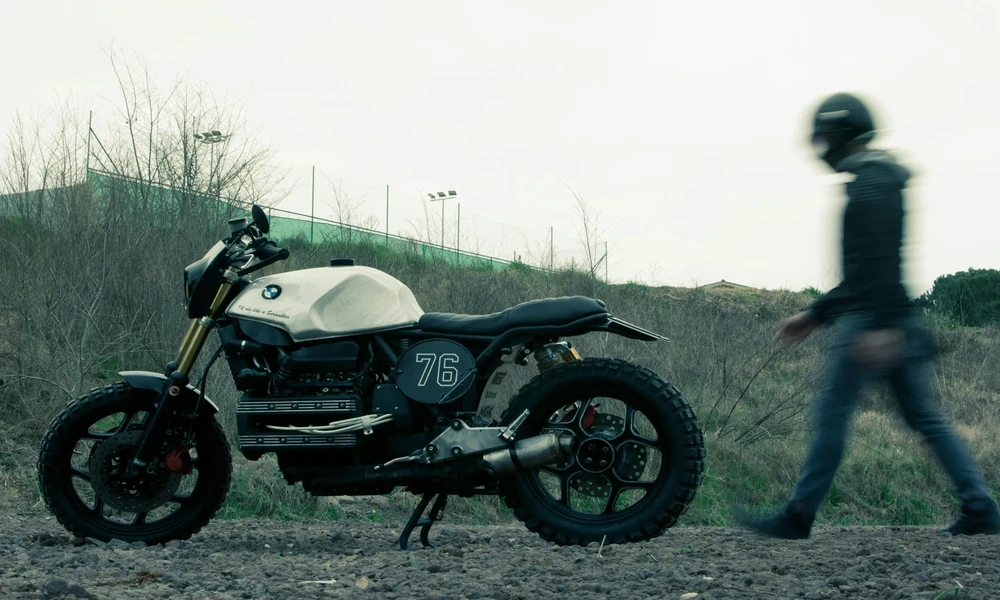
BMW motorcycles are known for refined engineering, dependable performance, and long-distance comfort. However, even the most capable motorcycle needs regular maintenance and occasional upgrades. Choosing the right parts can protect your bike, improve your riding experience, and prevent unnecessary mechanical problems.
Australian riders face a wide variety of conditions, including city traffic, coastal weather, remote highways, and rough adventure routes. For this reason, selecting BMW motorcycle parts Australia requires more than simply choosing an item that looks suitable. Riders should consider compatibility, quality, purpose, installation, and local riding conditions before making a purchase.
Confirm Your Exact BMW Model
Identifying the precise model, year, and variant of your motorcycle is the initial step. BMW often produces several variations within the same model family. Although two bikes may look similar, their mounting points, electrical connections, frame dimensions, and engine components may differ.
Check the vehicle identification number, owner manual, or registration details before ordering. Product descriptions should clearly state which motorcycles are supported. Never assume that a part designed for one BMW GS, RT, R, or S model will automatically fit another.
Accurate model identification reduces the risk of ordering incorrect components and helps ensure that the part performs as intended.
Decide What You Want To Improve
Motorcycle parts serve different purposes. Some maintain the original performance of the bike, while others improve protection, comfort, storage, visibility, or appearance.
A touring rider may prioritise windscreens, luggage systems, comfortable seats, and navigation mounts. An adventure rider may need engine guards, hand protection, skid plates, stronger foot pegs, and headlight guards. Commuters may benefit from practical storage, weather protection, and improved lighting.
Before shopping, identify the main problem you want to solve. This makes it easier to compare products and prevents spending money on accessories that offer little practical value.
Choose Parts Designed For Australian Conditions
Australia presents unique challenges for motorcycles. High temperatures, intense sunlight, coastal salt exposure, dust, rain, and long distances can place extra pressure on components.
Parts used outdoors should be manufactured from corrosion-resistant and weather-resistant materials. Stainless steel, durable aluminium, UV-resistant plastics, and protective coatings can help extend product life. Components used for touring or adventure riding should also be strong enough to handle vibration and repeated exposure to uneven surfaces.
Riders near coastal areas should pay particular attention to corrosion protection. Regular cleaning and correct maintenance are still important, but high-quality materials provide a stronger starting point.
Prioritise Fit And Engineering Quality
Low-quality motorcycle parts can create more problems than they solve. Poorly designed accessories may vibrate, loosen, interfere with controls, or place stress on mounting points. In some cases, an incorrect component may affect rider safety.
Well-engineered BMW motorcycle parts should match the bike closely and include suitable mounting hardware. Brackets, bolts, spacers, and electrical connectors should be designed for the intended model.
A precise fit usually makes installation easier and gives the motorcycle a more integrated appearance. It also reduces the likelihood of noise, movement, or damage during regular use.
Consider Protection Before Cosmetic Upgrades
Appearance matters to many riders, but protective upgrades often provide greater long-term value. A small accident, parking fall, or loose road surface can damage expensive bodywork, lights, engine covers, or exhaust components.
Engine protection bars, axle sliders, cylinder guards, radiator guards, and hand guards can reduce the impact of minor incidents. These parts may be especially valuable for riders who travel off-road or carry heavy luggage.
Protective components should not restrict ground clearance, steering movement, maintenance access, or normal riding control. Their design should suit the specific motorcycle rather than relying on universal mounting methods.
Review Installation Requirements
Some BMW motorcycle parts are easy to install at home with basic tools. Others require specialist knowledge, torque settings, electrical work, or partial motorcycle disassembly.
Read the installation instructions before buying. Check whether special tools, additional wiring, coding, or separate mounting kits are required. A product that appears affordable may become more expensive if installation is complicated.
Safety-related components should be installed correctly. Brake parts, suspension components, lighting systems, and structural protection may require professional installation. Using an experienced motorcycle technician can help protect both the rider and the motorcycle.
Check Compatibility With Existing Accessories
Many BMW riders use several accessories at the same time. A new part may conflict with an existing luggage rack, crash bar, windscreen, seat, exhaust, or navigation system.
Check product notes for compatibility limitations. Photographs and measurements can also help determine whether components will work together. When possible, choose accessories from systems designed to connect with related products.
Planning upgrades as a complete setup can prevent duplicated costs and reduce the need to remove recently purchased equipment.
Compare Value Instead Of Price Alone
The cheapest option is not always the most economical choice. A poorly made part may need replacement sooner, damage another component, or perform badly during demanding rides.
Consider the quality of materials, design accuracy, warranty coverage, installation hardware, and product support. Reliable BMW motorcycle parts in Australia may cost more initially, but they can offer better durability and confidence over time.
It is also useful to purchase from a supplier that understands BMW motorcycles and provides clear product information. Helpful customer support can make model selection, installation, and future replacement much easier.
Conclusion
Selecting BMW motorcycle parts requires careful attention to model compatibility, product quality, riding conditions, and installation requirements. Australian riders should choose components that can handle heat, dust, long distances, coastal exposure, and changing road surfaces.
By focusing on function, fit, durability, and genuine riding needs, owners can make smarter purchasing decisions. The right parts can improve comfort, protection, reliability, and confidence while preserving the performance and character of a BMW motorcycle.
