


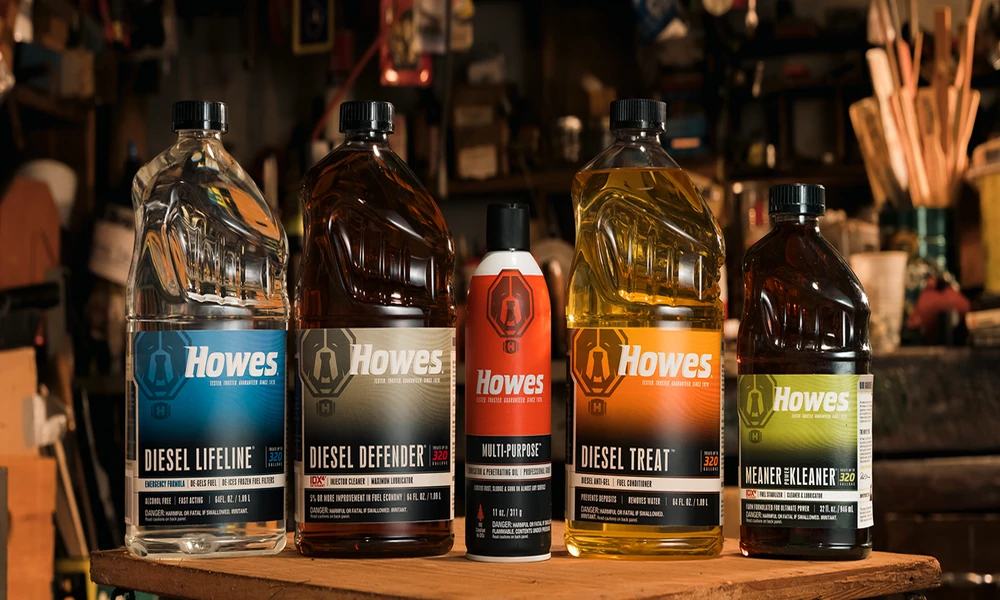
Cold weather hits diesel fuel in very specific ways. If you understand those weak points, you can prevent most winter breakdowns. I focus on simple, proven steps that save time, protect your engine, and keep you moving. I also prefer products that do more than one job, avoid harsh solvents, and are backed by strong guarantees. That is why an anti-gel and conditioner such as Howes Diesel Treat belongs in your plan before temperatures drop.
In this guide, I will lay out the problems that cold can trigger, the early signs you should watch for, and the exact steps I recommend for prevention and recovery. You will leave with a checklist you can use on your next fill-up and before your next cold start.
What Cold Actually Does to Diesel Fuel
Diesel contains wax that helps with energy content and lubrication. In the cold, that wax forms crystals. Those crystals start to clog the filter. If it gets colder, the fuel thickens further and can gel. Once that happens, the engine starves for fuel.
Water is the second issue. Water in the tank or separator can turn to ice. Ice slows or blocks flow just like wax.
The third problem is poor lubrication. Cold fuel is thicker and can reduce lubrication at the injectors and pump. That can increase wear and make starting harder.
Red Flags You Will Notice First
Watch for these early signs. Catching them early makes recovery faster and cheaper.
- Hard starts and longer cranking
- Uneven idle that smooths out as the engine warms up
- Loss of power under load
- More smoke than usual on cold start
- Filter restriction warnings on newer trucks
- Frequent need to drain the water separator
If you feel the engine stumble and the weather is well below freezing, expect a fuel flow issue.
Prevent Gel Before It Starts
You can avoid most cold-weather fuel issues with a few steady habits.
- Treat every fill before the temperature falls near freezing. An anti-gel that also conditions the fuel helps prevent wax buildup and keeps injectors clean. Diesel Treat is designed for this role. It helps prevent gelling, reduces filter plugging, adds lubrication, and removes water without alcohol.
- Keep the tank as full as you can. Less empty space means less moisture.
- Use a winterized fuel blend if it is available locally.
- Replace your fuel filters before the season. A fresh filter buys you margin.
- Drain your water separator often. Make it a routine, not a reaction.
- Park in a warmer spot when possible. Even a few degrees help.
I like additives that cover more than one risk. Diesel Treat supports anti-gel protection, lubrication, and water management, which means one step handles several weak points. They also back it with a Winter Tow Guarantee when used as directed, which speaks to confidence in the formula.
If You Are Already Gelled or Iced Up
If the engine stumbled and died in the cold, do this:
1. Stop cranking. You will not pull gel through a blocked filter.
2. Check the filter. If it looks waxy or iced, warm it if you can.
3. Use an emergency de-gel product. Howes Diesel Lifeline is made for this exact moment. It can reliquefy gelled fuel and de-ice the filter, often within minutes.
4. Add the rescue product to the filter and the tank as directed.
5. Let it work, then restart. Give it time to clear the lines and filter.
6. After recovery, refill with treated fuel and replace the filter at the next chance.
Avoid using alcohol-based products. Alcohol can be harsh on seals and does not lubricate. Also avoid ether unless your engine is designed for it and the manual allows it.
Year-Round Habits That Make Winter Easier
Cold weather exposes weak systems. If you keep the fuel system clean and lubricated all year, winter goes smoother.
- Run a cleaner and lubricator periodically. Howes Diesel Defender is designed for steady injector cleaning and added lubrication. Clean injectors help with starts and reduce smoke.
- Keep up with battery health. Slow cranking stresses the fuel system in the cold.
- Test your glow plugs or intake heater before winter.
- Replace aging fuel lines and clamps that can pull air.
These are small moves that cut risk long before the first frost.
Why I Often Point Drivers to Howes
I look for three things in a cold-weather fuel plan.
- A petroleum-based anti-gel that does not use alcohol, to protect pumps, seals, and injectors
- Real water control that does not spread water through the fuel
- Compatibility with modern diesel systems and biodiesel blends
Howes checks those boxes. Diesel Treat focuses on prevention and adds lubrication while removing water safely. Diesel Defender supports year-round cleanliness and smoother operation. Diesel Lifeline covers the worst days with a fast emergency fix. Their products are designed for trucks, farm equipment, construction machines, RVs, and smaller diesel cars, which makes planning easier if you run mixed equipment. Their guarantees add confidence without forcing you into a complex program.
Preseason Checklist You Can Use Today
Use this before the first cold snap.
- Change fuel filters and inspect the water separator
- Stock an anti-gel and a rescue de-gel in the cab or toolbox
- Treat your bulk tank or your vehicle tank at the next fill
- Inspect battery, cables, and grounds
- Test glow plugs or intake heater
- Check for stored water in the tank and drain if needed
- Verify your spare filter, funnel, gloves, and flashlight are on board
What To Keep On The Truck All Winter
- Anti-gel for every fill
- Emergency de-gel for rescue
- One spare primary fuel filter
- Nitrile gloves and a shop towel roll
- Small funnel and a flashlight
- A warm blanket for you while you wait
Mistakes That Cause Most Winter Breakdowns
Avoid these and you avoid most calls for a tow.
- Treating after a cold soak rather than before it
- Letting the tank run near empty in freezing weather
- Ignoring slow cranking and hard starts
- Skipping filter changes until mid-season
- Using alcohol-based products that strip lubrication
- Mixing multiple additives without reading directions
Final Take
Cold weather does not have to stop a diesel. If you treat early, keep water under control, and carry an emergency fix, you stay on schedule. Choose one plan and stick with it. I recommend using a proven anti-gel and conditioner such as Howes Diesel Treat for prevention, keeping Diesel Lifeline ready for rescue, and using Diesel Defender for year-round cleanliness and lubrication. Do those three things and you reduce risk, protect your engine, and turn winter into just another work day.
