


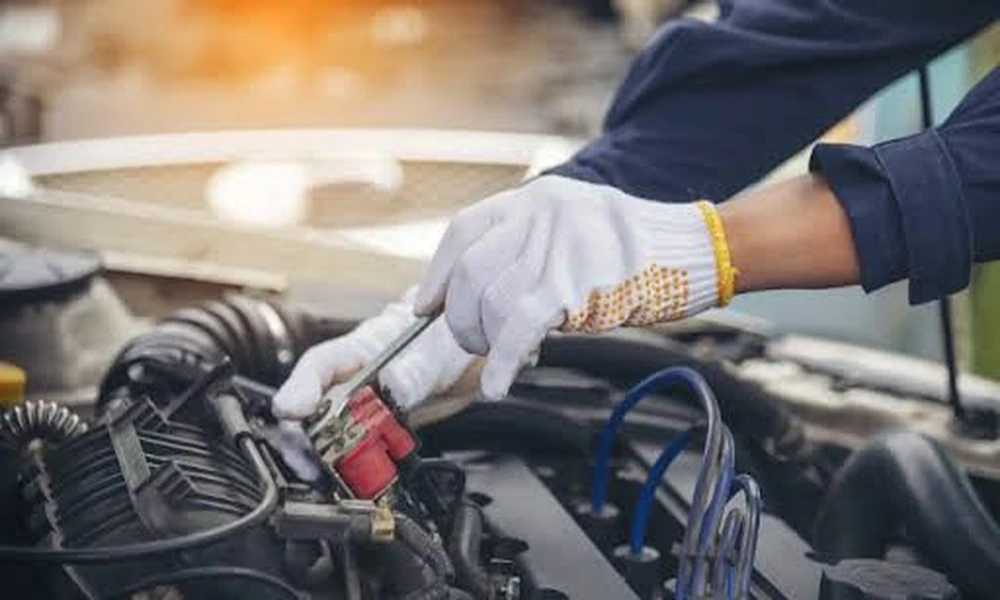
The radiator plays a major role in controlling engine heat during normal driving conditions. When cooling performance becomes weaker, engine temperatures can rise gradually or suddenly. So, understanding radiator problems can help prevent expensive engine damage and unexpected roadside breakdowns.
Restricted Coolant Flow Can Raise Engine Temperature
Sometimes internal deposits can restrict the narrow passages inside the radiator. Rust particles and contaminated coolant can gradually reduce normal coolant movement. As flow decreases, heat remains trapped around important engine components for longer periods. The temperature gauge may then begin moving higher during everyday driving. But the problem may become more noticeable during traffic or extended journeys. A professional inspection from Lincoln Repair can identify restricted circulation before serious overheating occurs.
A Damaged Radiator May Struggle with Heat Transfer
Its internal tubes and external fins must remain clear for effective cooling performance. However bent fins can reduce airflow across important heat releasing surfaces. Road debris can also damage radiator fins and limit normal cooling efficiency. Dirt buildup creates another barrier that prevents heat from escaping efficiently. Now the engine may produce more heat than the radiator can release. Regular inspection can reveal these physical problems before overheating becomes severe.
Low Coolant Levels Can Make Radiator Problems Worse
A radiator cannot maintain proper cooling performance when coolant levels become dangerously low. Coolant may escape through damaged hoses or loose connections around the cooling system. Sometimes a radiator itself develops cracks that allow coolant to slowly disappear. Small leaks may remain unnoticed because coolant evaporates after reaching hot engine surfaces. As the coolant level falls, air can enter areas designed for liquid circulation. This situation reduces heat transfer and can cause the temperature gauge to rise. Lincoln Repair can inspect the cooling system for leaks and pressure related concerns.
Radiator Pressure Problems Can Affect Cooling Performance
A weak cap may allow coolant to escape or reduce proper system pressure. So, the engine may experience overheating even when the radiator appears visually normal. Excessive pressure can also indicate deeper cooling system problems that require attention. A damaged radiator can contribute to unusual pressure changes during normal operation.
Rising Temperature Readings Should Never Be Ignored
A temperature gauge that repeatedly rises deserves careful attention before major engine damage develops. Continued overheating can damage gaskets and distort engine components through excessive thermal stress. The radiator may be responsible when cooling efficiency has noticeably declined over time. But other components such as thermostats and water pumps can create similar symptoms. A complete cooling system inspection can determine the actual cause more accurately. Drivers seeking Auto Repair in Mandan, ND should address repeated temperature increases without unnecessary delay. Lincoln Repair can help evaluate radiator performance and identify cooling problems early. Prompt service can protect engine reliability and reduce the possibility of costly repairs.
