


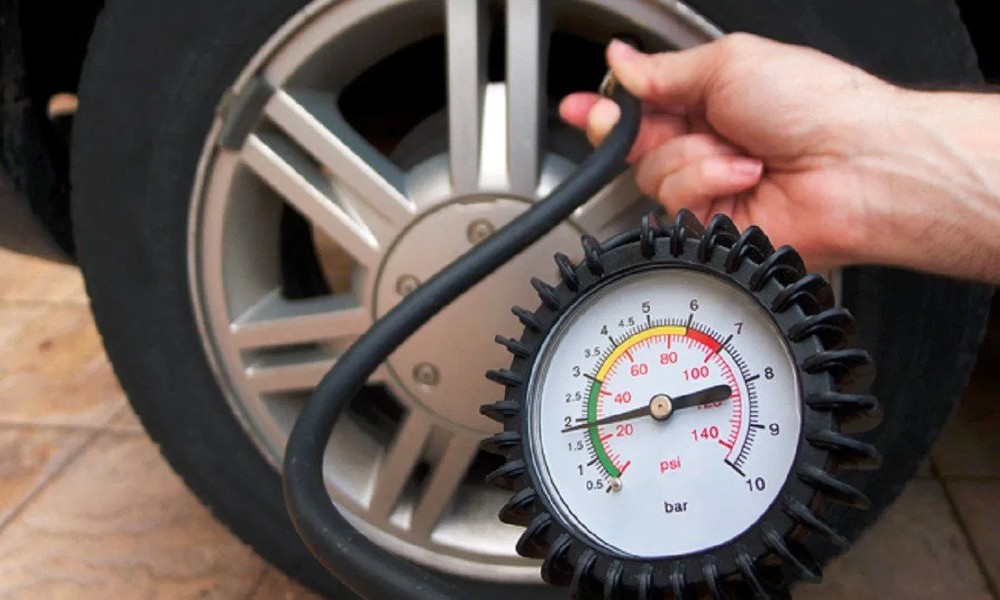
Maintaining the right two-wheeler tyre pressure plays a bigger role in everyday riding than many people realise. Incorrect tyre pressure can affect fuel efficiency, tyre wear, braking performance, and overall ride comfort. Even small PSI differences may gradually impact mileage over time, especially for daily commuters.
The Hidden Cost Running Through Your Tank
Indian riders face a double challenge: rising fuel prices and neglected tyre maintenance. The combination creates a financial drain that most riders never calculate. When your two-wheeler tyre pressure drops just 5 PSI below recommended levels, fuel consumption increases by up to 5%. For daily commuters covering 50 kilometres, this translates to nearly ₹3,000 extra spent on petrol yearly.
Breaking Down the Numbers
Consider these real-world impacts on your wallet:
| Pressure Loss | Mileage Drop | Extra Annual Cost |
| 3 PSI below | 2-3% | ₹1,200-1,800 |
| 5 PSI below | 4-5% | ₹2,400-3,000 |
| 8 PSI below | 6-8% | ₹3,600-4,800 |
These calculations assume average fuel prices and typical commuting distances. Long-distance tourers and delivery riders face even steeper losses. Budget commuter tyres may appear economical initially, but poor pressure maintenance can reduce their lifespan significantly.
Why Pressure Affects Performance So Dramatically
Tyre pressure directly controls how much rubber contacts the road. Low pressure increases the contact patch, creating more friction and forcing your engine to work harder. This extra effort burns more fuel while generating excessive heat that damages tyre compounds.
Riders comparing everyday maintenance costs often look at factors like fuel economy, servicing, and even splendor tyre price when calculating long-term ownership expenses.
The Science Behind Rolling Resistance
Underinflated tyres flex excessively with each rotation. This constant deformation wastes energy that should propel you forward. Engineers calculate that every 1 PSI drop below optimal pressure increases rolling resistance by approximately 1.3%.
Key factors affecting your mileage include:
- Contact patch size: Larger patches create more drag
- Sidewall flex: Excessive movement generates heat
- Tread deformation: Improper wear patterns reduce efficiency
- Weight distribution: Uneven load bearing increases resistance
Temperature and Load Variables
Indian weather conditions create unique challenges for maintaining proper pressure. Morning temperatures might show correct PSI readings, but afternoon heat can increase pressure by 3-4 PSI. Conversely, cold mornings drop pressure significantly. Adding a pillion or luggage requires pressure adjustments that most riders skip.
Simple Steps to Reclaim Lost Mileage
Recovering your lost fuel efficiency requires minimal effort but consistent attention. Start by purchasing a quality pressure gauge – relying on petrol pump gauges often leads to inaccurate readings.
Your Weekly Maintenance Routine
Follow this straightforward checklist:
• Check cold tyres: Measure pressure before riding or after 3+ hours rest
• Use manufacturer specifications: Find recommended PSI on your swingarm sticker
• Adjust for loads: Add 2-3 PSI when carrying passengers or cargo
• Monitor wear patterns: Uneven wear indicates pressure problems
• Track your mileage: Notice improvements after maintaining proper pressure
Tyres from manufacturers like Eurogrip are designed for varied Indian riding conditions, but regular pressure checks remain important for maintaining consistent performance and tyre life.
Why Regular Pressure Checks Matter
Maintaining the right two-wheeler tyre pressure is one of the simplest ways to improve fuel efficiency, riding comfort, and tyre longevity. Small pressure changes may not feel noticeable immediately, but over time, they can affect both performance and running costs.
A quick weekly pressure check, especially before long rides or carrying extra load, helps tyres wear more evenly and keeps the bike handling predictably. Whether you ride daily in city traffic or occasionally on highways, proper tyre maintenance goes a long way in improving your overall riding experience.
