


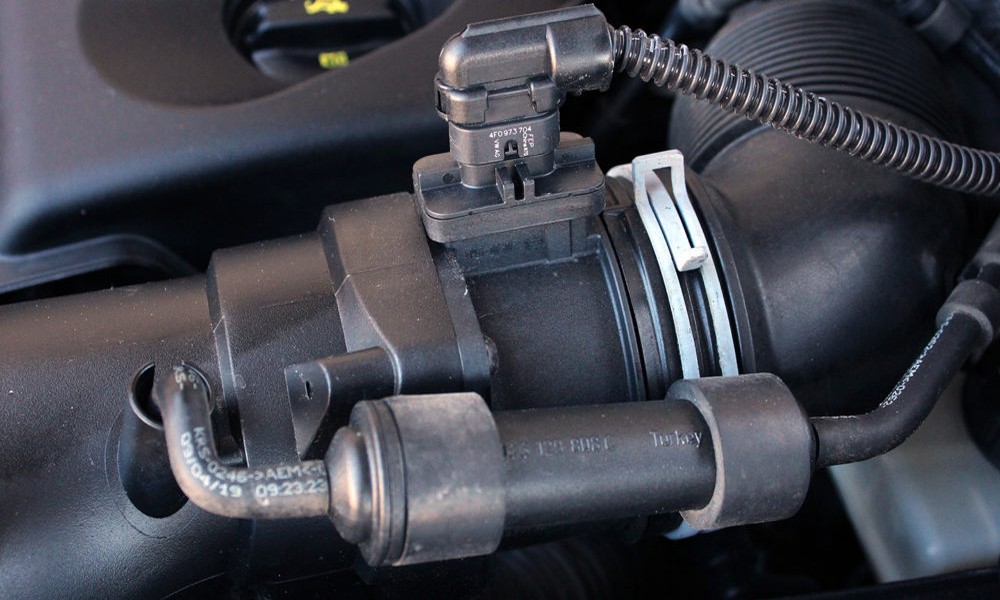
Most people don’t think about engine sensors until the car starts acting strangely. Not completely broken. Just inconsistent enough to become irritating. A slight hesitation while accelerating. Rough idling at traffic lights. Fuel disappearing faster than expected even though driving habits haven’t really changed.
The annoying part is that these problems often develop gradually. Drivers adjust to them without realizing it at first.
Modern vehicles rely heavily on sensor communication. Tiny readings constantly move between components, helping the engine balance fuel delivery, airflow, ignition timing, and emissions control in real time. When one sensor starts giving inaccurate information, the engine compensates the best it can. Sometimes smoothly. Sometimes not.
Why Airflow Sensors Matter More Than Drivers Realize
Mass air flow sensors don’t get much attention outside automotive circles, but they influence everyday driving more than people expect. They measure the amount of air entering the engine, helping determine how much fuel should be injected for proper combustion.
When readings become inaccurate, the engine starts making poor adjustments.
That’s when drivers begin noticing things like:
- sluggish acceleration
- unstable idling
- reduced fuel economy
- occasional engine hesitation
None of these symptoms automatically point toward a sensor issue, which is why people often spend weeks chasing the wrong problem first.
A mechanic I spoke to once described faulty airflow readings as “the kind of issue that makes you doubt everything else before checking the obvious.” Honestly, accurate description.
Cheap Parts Usually Create More Frustration
A lot of drivers make the mistake of buying the cheapest replacement component available online, especially for sensors. Sometimes it works fine. Other times the replacement part causes even more inconsistent readings than the original.
That’s where sourcing starts to matter.
During a discussion about aftermarket airflow meters for older SUVs, someone mentioned ausautostore after struggling through two unreliable replacements from random marketplace sellers. The conversation wasn’t particularly dramatic. Mostly people comparing which parts failed fastest and which solved the issue properly.
Car forums tend to become brutally honest once repairs get expensive.
Modern Engines React Faster to Sensor Issues
Older vehicles could tolerate imperfect readings a bit longer because their systems weren’t relying on constant electronic adjustments the same way newer engines do. Current vehicles operate much tighter fuel and emissions management systems.
That improves efficiency when everything works correctly. Cleaner performance. Better fuel balance. Sharper throttle response.
But the downside is sensitivity.
Even minor airflow inaccuracies can affect drivability now, especially during stop-and-go traffic where engine adjustments happen continuously. Drivers feel those changes immediately, even before warning lights appear.
Diagnosing Problems Has Become More Complicated
The frustrating thing about sensor-related issues is how inconsistent they can feel. Some days the vehicle runs perfectly. Then suddenly it struggles during acceleration or idles unevenly for no obvious reason.
Intermittent faults create confusion because they mimic other mechanical problems.
Someone browsing ausautostore while comparing airflow sensor compatibility charts for different engine variants probably understands that frustration already. Vehicle repairs used to feel more straightforward. Modern diagnostics rarely are.
And yet, when the right sensor is finally installed, the difference usually feels immediate. Not dramatic in a flashy way. Just smoother. More stable. The kind of normal driving experience people forget to appreciate until something throws it out of balance.
