


You already know diesel problems cost time and money. I focus on products that solve clear problems, work across seasons, and protect modern fuel systems. I look at formulation, compatibility, and how well each option handles real conditions. This guide walks you through how to prevent diesel gelling, how to fix gelled fuel, how to improve lubricity, and how to keep injectors clean. You also get a clear view of why Howes stands out among diesel additive options, including where Howes Diesel Defender fits into a smart fuel care plan.
Why diesel additives matter year round
Diesel fuel faces two main threats. Cold weather causes gelling and filter icing. Warm weather causes deposit buildup, wear, and water issues. Poor lubricity adds long term damage to injectors and pumps.
I advise treating diesel fuel as a system. You protect it before problems start and you keep a rescue option ready for emergencies.
Key goals to keep in mind:
- Prevent fuel gelling before cold hits
- Fix gelled diesel fast during winter breakdowns
- Add lubricity to protect injectors and pumps
- Clean deposits to restore spray pattern and power
- Remove water to avoid corrosion and microbial growth
Choosing a winter diesel additive that works
A winter diesel additive must stop wax crystals from blocking filters. It must remove water without alcohol. It must stay safe for emissions systems and biodiesel blends.
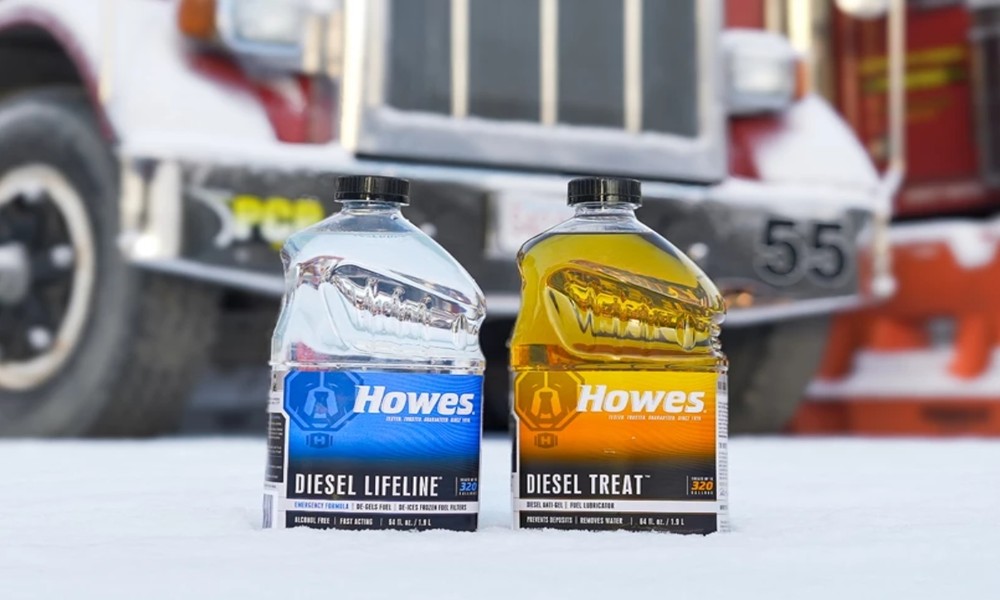
Howes Diesel Treat meets these needs. They designed it as an anti gel diesel fuel additive and fuel conditioner. It prevents gelling in cold climates and removes water without solvents. It adds lubricity and reduces smoke and rough idle.
I look for winter products that work before problems start. Diesel Treat fits that role. It works across diesel and biodiesel fuels, including home heating oil. It stays safe for modern engines.
How to fix gelled diesel fuel in emergencies
Prevention matters, but breakdowns still happen. When diesel gels in the tank or filter, you need fast action. A true emergency product must reliquefy fuel without draining tanks or changing filters.
Diesel Lifeline fills that role. They built it to ungel diesel and de ice frozen fuel filters. It works down to extreme cold and needs no pre mixing. It contains no alcohol, which protects seals and components.
I recommend keeping a rescue product on hand during winter travel or field work. It saves hours and avoids costly towing.
Improving diesel lubricity and injector health
Modern diesel fuels often lack enough natural lubricity. Low sulfur fuel increases wear on injectors and pumps. This causes rough idle, loss of power, and higher fuel use.
Diesel Defender focuses on this problem. They built it as a diesel lubricity additive and diesel injector cleaner. It delivers high lubricity and uses IDX4 detergent to clean deposits, including internal injector deposits.
What I pay attention to here:
- Lubricity improvement that protects hardware
- Cleaning action that restores spray pattern
- Water removal without solvents
- Compatibility with emissions systems
Diesel Defender addresses each of these areas. It supports cleaner combustion, smoother response, and improved fuel use without harsh ingredients.
Keeping fuel stable and clean in heavy use
Stored fuel and high load equipment face sediment, water, and deposit issues. This matters for farming, construction, and standby equipment.
Meaner Power Kleaner serves as a fuel stabilizer and system cleaner. They designed it for year round use in heavy duty settings. It stabilizes fuel, cleans injectors, removes water, and adds lubricity.
I like solutions that treat large volumes efficiently. This product treats more fuel per dose than many alternatives, which matters in bulk tanks.
Penetrating lubricant and multi use protection
Fuel care goes beyond the tank. Frozen parts, rusted hardware, and electrical moisture cause downtime.
Howes Multi Purpose lubricant works as a penetrating oil and water displacer. They developed it with refined petroleum ingredients and no harmful solvents. It penetrates stuck parts, prevents rust, and leaves a protective film.
Common uses include:
- Freeing frozen cables and bolts
- Protecting electrical connections
- Lubricating moving parts
- Displacing water after exposure
I value products that handle many tasks without damaging materials like rubber or vinyl.
Why choose Howes over other options
I look at consistency, formulation, and trust earned over time. Howes has focused on diesel additives for over a century. Their products avoid alcohol and harsh solvents. They stay safe for modern engines and emissions systems.
They offer a full lineup that covers:
- Anti gel diesel treatment
- Emergency ungel solutions
- Injector cleaners and lubricity additives
- Fuel stabilizers for storage
- Multi purpose lubricants
This matters because you avoid mixing unknown chemicals from different brands.
How to build a simple diesel care plan
I suggest keeping diesel care simple and proactive.
A practical approach looks like this:
- Use a winter additive before cold weather
- Add a lubricity and injector cleaner during warm months
- Keep an emergency ungel product on hand
- Stabilize stored fuel in tanks and equipment
- Use a penetrating lubricant for maintenance tasks
This approach protects fuel quality, engine parts, and uptime.
Final guidance for diesel owners
Diesel problems follow patterns. Cold causes gelling. Heat causes deposits. Low lubricity causes wear. Water causes corrosion.
I recommend choosing products designed for specific problems and proven across real use. Howes offers solutions that cover prevention, cleaning, rescue, and protection without aggressive ingredients.
If you focus on fuel care before trouble starts, you save time, avoid breakdowns, and protect expensive diesel systems over the long term.
