


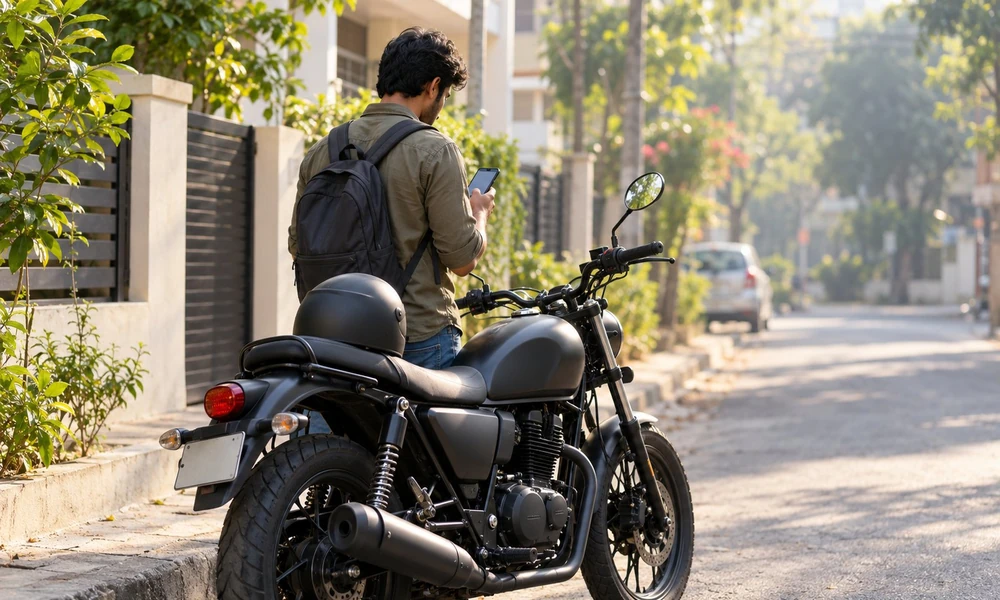
You may use your bike for office travel, college or a quick trip to the market. Insurance paperwork can easily slip out of your daily routine. Yet keeping third-party cover active is a legal responsibility whenever you ride in a public place. The Supreme Court has called for stronger compliance with this requirement. Its directions focus on better checks, clearer policy information and longer cover for new vehicles. Here is what you should know before your next ride.
Why The Supreme Court Called For Stronger Compliance
The Supreme Court issued its directions on 4 August 2026. It noted that many vehicles continued to run without insurance despite the legal requirement. The concern was compensation for people affected by road accidents.
If your bike causes an accident, someone else may need medical treatment or repairs to damaged property. Third-party insurance provides financial support towards covered legal liabilities. That makes active cover important beyond the paperwork you receive when buying your bike.
For you, the message is straightforward: having bought insurance once does not mean you can stop checking its validity.
What Mandatory Third-Party Cover Means
Under Section 146 of the Motor Vehicles Act, 1988, you generally need valid third-party insurance to use a motor vehicle in a public place.
The third-party part of your two wheeler insurance covers your legal liability for injury, death or property damage suffered by another person because of an accident involving your insured bike.
For example, if you damage another vehicle in an accident, this cover may respond to the resulting legal liability. Cover for repairs to your own bike serves a different purpose. Understanding that distinction helps you read your policy correctly.
How Insurance Checks Could Become More Effective
The court directed authorities to connect number plate recognition cameras with VAHAN and Insurance Information Bureau records. It also directed that police receive devices or apps to check insurance status and issue challans.
VAHAN is the government system for vehicle records. Linking records can make it easier to identify a vehicle whose insurance has expired.
You should therefore give the correct registration number when buying or renewing cover. If you notice a mismatch in your documents, ask for a correction and keep the acknowledgement. Accurate details make your policy easier to identify when its status is checked.
What Changes For A Newly Purchased Bike
The August 2026 judgment directed that new two-wheelers should have six years of third-party insurance at purchase, extending the earlier five-year requirement. It asked IRDAI to issue the necessary directions.
If you are buying a new bike, ask for written confirmation of the applicable insurance period and check the dates shown in your policy.
If you already own a bike, do not assume that the judgment automatically adds another year to your existing cover. Read your current schedule and ask your insurance provider about any changes that apply to you.
Why Different Parts Of Your Policy Need Separate Attention
Your third-party cover and own damage cover can have different expiry dates. A bundled policy may combine long-term third-party insurance with one year of own damage insurance.
Own damage insurance covers eligible loss or damage to your bike, such as damage from an accident or loss through theft. You should check its renewal date separately from the third-party section.
Keep both dates in your calendar. When you receive a renewal reminder, read which part of the policy it concerns. This avoids assuming that every part of your insurance ends on the same day.
How Clearer Information Can Help You
The court also directed a customer option form and a clear information sheet explaining mandatory and optional cover. These should help you understand what you are buying.
Before agreeing to your policy, ask direct questions:
- Does this policy include cover for damage to my bike?
- What cover applies to me as the rider?
- What cover applies to someone travelling with me?
- When does each part of the policy expire?
Ask for answers in writing if the explanation remains unclear. Keep the information sheet with your policy so you can refer to it later.
What The Fuel Proposal Actually Means
The court asked IRDAI and the transport ministry to develop a pilot project linking fuel access with valid insurance. This direction concerns a pilot; the judgment does not establish that every petrol pump already checks insurance.
For your own planning, rely on official implementation announcements rather than a headline alone. The practical step remains the same: check your cover before riding.
A Simple Checklist For Keeping Your Cover Active
Set aside a few minutes to check your documents before the next renewal. You do not need to wait until you receive a reminder.
- Check the third-party expiry date on your policy schedule.
- Match your registration number with the registration certificate.
- Save an accessible copy of your insurance certificate.
- Set a reminder before each relevant renewal date.
- Keep the renewed policy and payment acknowledgement together.
If cover has expired, arrange renewal before using your bike in a public place. Confirm when the new policy starts; making a payment and having active cover are separate matters.
If someone else handles renewals for you, ask them to share the policy document each time, so you can check the cover details yourself.
What To Do If An Accident Leads To A Claim
First, seek medical help where needed and inform the police as required. Notify your insurance provider promptly. Keep photographs, contact details and relevant records when it is safe to collect them.
You can ask your provider for guidance on the claim steps and documents needed. Share any legal notice promptly, and keep copies of your correspondence. Clear communication helps you follow the process with greater confidence.
Conclusion
The court’s directions make active insurance worth your attention. Read your policy, note its dates and ask questions about the cover you have purchased. A few minutes spent checking these details can help you stay prepared for everyday riding.
