


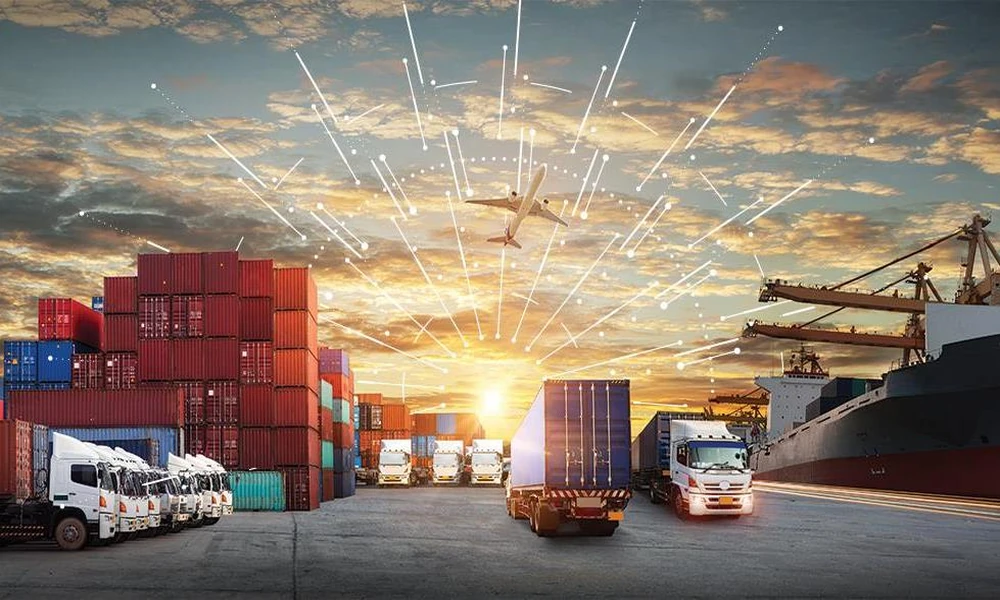
Efficient freight operations depend on more than simply moving goods from one location to another. Companies need to manage vehicles, drivers, fuel, schedules, maintenance, and deliveries in a coordinated manner. Better fleet management provides businesses with the tools and processes needed to improve these areas. With proper planning and monitoring, companies can reduce operating costs, improve delivery performance, and provide more reliable service to customers.
Effective fleet management gives freight businesses greater control over the vehicles, drivers, and resources involved in daily transportation. By monitoring vehicle utilization, fuel consumption, maintenance needs, routes, and driver performance, companies can identify inefficiencies before they become costly problems. A coordinated approach can improve operational reliability, reduce unnecessary expenses, and help ensure that deliveries are completed safely and on schedule.
Improving Vehicle Utilization
One of the main advantages of effective fleet management is better vehicle utilization. Fleet managers can monitor how frequently vehicles are being used and identify trucks that remain idle for long periods. By matching vehicles with suitable shipments and schedules, businesses can reduce unnecessary downtime and make better use of their existing fleet.
Proper planning can also help prevent partially loaded vehicles from making frequent trips. Combining compatible shipments and optimizing delivery schedules can increase productivity while reducing transportation expenses.
Reducing Fuel and Operating Costs
Fuel costs are a major freight expense. Fleet management systems can help businesses monitor fuel consumption and identify inefficient driving patterns. Excessive idling, speeding, poor route selection, and unnecessary detours can all increase fuel usage.
Businesses can take several steps to control these costs:
- Monitor fuel consumption across individual vehicles.
- Plan shorter and more efficient delivery routes.
- Reduce unnecessary vehicle idling.
- Encourage responsible driving practices.
- Schedule regular vehicle maintenance.
These measures can gradually reduce fuel consumption and improve overall fleet profitability.
Enhancing Route Planning
Poor route planning can result in traffic delays, additional mileage, and missed delivery deadlines. Modern fleet management solutions can help companies plan routes according to traffic conditions, delivery locations, vehicle restrictions, and customer requirements.
Efficient routes allow drivers to complete more deliveries within their working hours. They can also reduce vehicle wear and fuel consumption, making freight operations more economical.
Supporting Preventive Maintenance
Vehicle breakdowns can cause serious disruptions to freight operations. A delayed truck may affect several deliveries and create additional costs for the company. Preventive maintenance helps identify mechanical problems before they become major failures.
Fleet managers can schedule inspections, servicing, tire checks, oil changes, and other maintenance activities based on vehicle usage and manufacturer recommendations. Keeping vehicles in good condition improves reliability and reduces unexpected downtime.
Improving Driver Performance and Safety
Drivers have a significant impact on fleet efficiency and road safety. Fleet management can help companies monitor driving behaviour and identify areas where additional training may be useful. Safer driving practices can reduce accidents, fuel consumption, and unnecessary vehicle wear.
Providing drivers with clear schedules, route information, and communication tools can also make their work more organized and efficient.
Using Data for Better Decisions
Accurate operational data allows fleet managers to make informed decisions. Information about fuel consumption, mileage, delivery times, maintenance costs, and vehicle utilization can reveal areas that require improvement.
Instead of relying solely on assumptions, companies can use this information to adjust schedules, replace inefficient vehicles, improve routes, and allocate resources more effectively.
